

Master Mixing and Matching: How to Create Your Own Accent Furniture Set
Struggling with mixing and matching how to create your own accent furniture set? This guide makes it simple to combine different pieces for a cohesive look. Discover how to choose focal points, balance color schemes, and integrate various textures.
Key Takeaways
-
Accent furniture adds personality and flair to your home, making it feel uniquely yours.
-
Establish a strong focal point and create cohesive design by thoughtfully mixing colors, textures, and shapes.
-
Embrace creativity when mixing and matching furniture, starting with a favorite piece and layering accessories for a completed look.
Understanding Accent Furniture
Accent furniture enhances interior design by complementing main pieces and adding style and personality. Unlike standard pieces, accent furniture allows you to introduce unique elements that can significantly enhance the character and personality of a room. Think of it as the jewelry that completes your outfit—it’s the final touch that makes everything come together.
Introducing unique accent furniture allows you to create a space that reflects your personal style. Items like accent chairs, side tables, and decorative cabinets serve functional purposes and provide creative styling opportunities through varied colors, shapes, and patterns. This creative freedom makes decorating more enjoyable and enables you to personalize your space to your heart’s content.
Side tables, accent chairs, and decorative cabinets are examples of accent furniture that serve important functions in a well-designed room. These pieces can transform a bland space into a vibrant and inviting one. As you begin your design journey, remember that accent furniture adds extra flair and sophistication to your home.
Choosing a Focal Point
Every great design starts with a focal point—the primary element that captures attention upon entering the room. This could be anything from a stunning piece of art to a unique flea market find. The key is to choose something that you love and that will serve as the anchor for the rest of your design.
After selecting your focal point, build around it. Arrange your furniture to highlight this key piece, creating a cohesive and inviting space. Other furniture pieces like side tables, accent chairs, lamps, pillows, and artwork can be used to complement the focal point and enhance the overall design.
Remember, a focal point isn’t just about visual interest; it’s about creating an inviting space that draws people in. Starting with a piece you love makes it easier to make design decisions that reflect your taste and style.
So go ahead, find that special piece that speaks to you, and let it guide the rest of your decorating journey.
Creating Cohesion with Color Schemes

A well-chosen color palette serves as a foundation for selecting accent furniture, unifying the overall design. Creating a cohesive look is essential when mixing furniture styles. Opt for simple color choices, like a neutral base with one bold color or three complementary colors, to achieve this.
A consistent color scheme across different furniture styles ties disparate pieces together and creates visual harmony. For instance, if you have a mix of modern and vintage furniture, incorporating similar colors or complementary colors can help unify the space and create a pleasing aesthetic. This approach lets you experiment with different design styles while maintaining cohesion.
Establishing an overall mood helps guide furniture selection and create a cohesive atmosphere. Whether you prefer a calm and serene environment or a vibrant and energetic space, your color palette can reflect and enhance that mood. Carefully selecting and sticking to a color scheme makes mixing and matching furniture more enjoyable and successful.
Balancing Different Textures and Materials

Textures and materials play a significant role in interior designer, especially when mixing furniture styles. Common materials that can be combined in accent furniture include leather, wood, fabric, and metal. Different textures and materials enrich the visual appeal of a space and add depth to your design.
For example, you can mix leather and fabric furniture for a more diverse look. A leather sofa paired with a rustic wooden coffee table and a velvet accent chair can create a balanced look that is both sophisticated and inviting. Layering diverse materials adds richness and depth, making your room more visually interesting and engaging. A leather couch can also complement this arrangement beautifully.
Contrasting fabrics not only enhance visual appeal but also provide balance in decor. Whether it’s a textured rug, a smooth metal lamp, or a plush velvet pillow, each element contributes to the overall texture of the room. Thoughtfully combining different textures and materials creates a space that feels harmonious and balanced.
Playing with Patterns and Shapes
Patterns and shapes add visual interest to your space. Integrating different patterns in accent furniture enhances visual interest and contributes to overall design aesthetics. From geometric designs to organic shapes, the possibilities are endless.
When incorporating patterns, find a common thread that ties them together. Using geometric shapes on flat surfaces like dressers or chests can create a modern, cohesive look. Use graph paper to scale down your geometric designs before applying them to ensure accuracy and precision. This maintains straight lines and angles, crucial for a polished appearance.
Combine geometric shapes with organic ones by focusing on fewer, well-placed geometric elements to achieve a modern look without overwhelming the space. Playing with patterns and shapes creates a dynamic, visually stimulating environment that reflects your unique taste and style.
Scale and Proportion Matter
The concept of scale relates to how the dimensions of one object correspond with those of others and the overall room size. Proportion, on the other hand, refers to the ratio of different elements within a space, affecting the overall balance. Understanding and applying these principles is crucial for creating a harmonious and balanced look.
Furniture of varying sizes creates a harmonious flow in the room. Balancing large or visually heavy items with smaller pieces prevents a sense of imbalance. Decorative objects should match the scale of furniture or surfaces to maintain visual harmony.
In open layouts, select furniture that fills the space without overwhelming it. Identifying shared elements like materials or finishes can also help blend different furniture styles. Paying attention to scale and proportion ensures that mixed furniture pieces come together to create a beautiful and cohesive space.
Incorporating Statement Pieces
Statement pieces should be unique, captivating items that draw attention and define a room’s overall atmosphere. Ensure statement pieces are immediately noticeable upon entering the room, acting as a natural focal point.
Complementary decor and furniture around a statement piece maintain balance without detracting from the main attraction. For example, if you have a bold piece of art, you can use subtle furniture and decor to enhance its impact without overwhelming the space. Lighting also plays a crucial role in highlighting statement pieces, enhancing their visibility and creating a welcoming ambiance.
Negative space around a statement piece prevents overcrowding and allows the feature to breathe. Thoughtfully incorporating statement pieces creates a design that is both striking and harmonious, reflecting your unique style and personality.
Accessorizing for Final Touches

Accessories infuse personality and warmth into a space, contributing significantly to the overall decor. Creating vignettes with accessories achieves a cohesive, styled look in the living room. For example, arranging a few decorative items on a side table can add charm and interest to an otherwise plain area.
Choosing accessories in two main colors, with a third contrasting color, enhances a room’s color palette. Home accessories like vases and sculptures introduce varied textures, adding depth and visual interest. Plants and flowers contribute to visual texture through their natural forms.
Lighting affects a room’s perceived texture and can transform its ambiance. Rugs visually harmonize different elements and can define separate spaces. Layering accessories of varying heights and widths creates visual interest and avoids bulkiness.
Pillows are versatile accessories that can be easily changed to reflect seasonal styles. Carefully selecting and arranging accessories adds final touches that complete your design and make your space feel homey.
Practical Tips for Mixing and Matching
When mixing and matching furniture, start with a favorite statement piece that inspires the rest of the room’s decor. Mixing styles encourages creativity and allows you to express your unique taste. Begin with neutral or transitional furniture pieces to provide a flexible base for mixing styles.
Visual balance is crucial; assess the distribution of colors and textures by stepping back to evaluate. Adopt a less-is-more approach; limit different styles and ensure proper spacing to avoid clutter. Gradually combine larger and smaller pieces for an appealing, cohesive look.
Mixing and matching furniture allows for experimentation, making the decorating process enjoyable. Embrace mismatched styles to create a unique ambiance. Use the mix and match test to assess the compatibility of different furniture pieces. This helps you find combinations that work well together. Approaching the task of mixing and matching furniture with creativity and a playful mindset makes decorating a fun and rewarding experience.
Shop at Discount Furniture World Today!
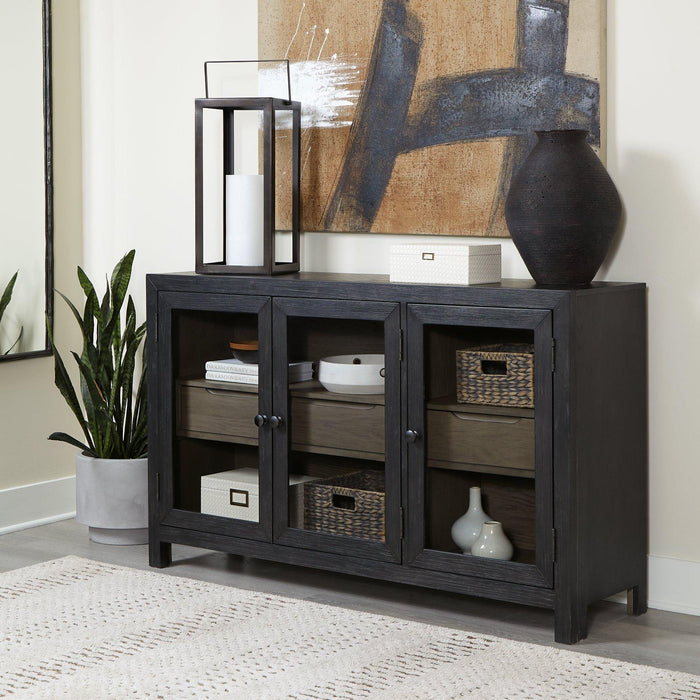
Discount Furniture World has been operating for over 50 years, providing a wide range of furniture options. Whether you’re looking for a leather sofa, side tables, or unique accent pieces, you’ll find everything you need to create a beautiful and cohesive space. The store offers same-day financing and layaway programs to accommodate various budgets, making it easier for you to bring your design dreams to life.
All furniture items at Discount Furniture World are in stock, ensuring immediate availability for customers. Home delivery services are provided for all the furniture purchased from the store.
As a family-owned business, Discount Furniture World emphasizes a commitment to customer satisfaction, ensuring you have a pleasant shopping experience. Visit Discount Furniture World today and start mixing and matching to create your perfect space!
Summary
Mixing and matching furniture is an art that allows you to express your unique style and create a space that truly feels like home. From understanding accent furniture and choosing focal points to balancing textures, playing with patterns, and incorporating statement pieces, each step contributes to a cohesive and inviting design. Remember to accessorize thoughtfully and approach the process with creativity and a playful mindset. Happy decorating!
Frequently Asked Questions
How to mix and match office furniture?
Mixing and matching office furniture can be a fun way to express your style—try pairing leather chairs with chrome accents or use plaids and stripes within the same color family. Adding black pieces will give your setup a modern, cohesive feel since it pairs well with just about anything.
How do you mix and match interior design styles?
Mixing and matching interior design styles is all about finding balance. Try pairing contrasting elements, like a sleek sofa with a rustic coffee table, to create a harmonious yet interesting space.
What is accent furniture?
Accent furniture adds style and personality to your space by complementing the main furniture. Think of items like accent chairs and side tables that enhance the overall look of your room.
How do I choose a focal point for my room?
Choose a focal point that resonates with you, like a unique piece of art or a cozy couch, and let it guide your design to create an inviting atmosphere. Building around something you love will make the space feel more personalized and visually appealing.
How can I create cohesion with different furniture styles?
To create cohesion with different furniture styles, stick to a consistent color scheme and incorporate repeating design elements. This will help tie everything together and create a harmonious vibe in your space.