
What Dining Furniture Works Well in Compact Homes?
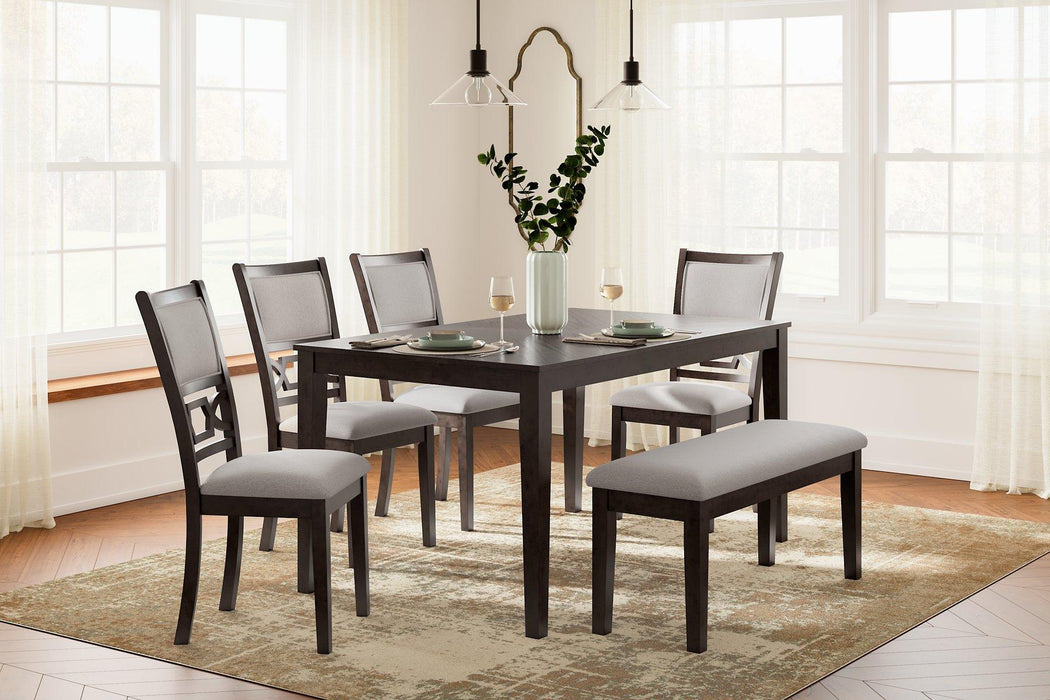
Living in a compact home, whether it’s a city flat, a studio apartment, or a small terraced house, doesn’t mean giving up on a proper place to eat. The challenge isn’t about whether you can have a dining area; it’s about choosing the right dining table and seating that work with your limited square footage rather than against it.
The short answer to what dining furniture works well in compact homes: flexible furniture that can transform, tuck away, or serve multiple purposes. Think drop-leaf tables that shrink to console size, benches with hidden storage, stackable chairs that disappear into a closet, and round tables that maximize seating without sharp corners jabbing into walkways. These pieces let you enjoy everyday meals, host occasional guests, and reclaim valuable floor space when you need it for other activities.
This article covers practical furniture types and layout ideas for homes in the 400–800 square foot range (roughly 37–74 square metres). You’ll find specific dimensions, concrete examples, and a ready-to-use checklist to take shopping. Whether you’re furnishing a tiny apartment for the first time or rethinking your small dining room layout, you’ll leave with a clear plan.

Start by Understanding Your Dining Area
Before you start browsing dining sets online, grab a tape measure. Measuring and mapping your available space is the fastest way to avoid buying a table that dominates the room and blocks every doorway.
Here’s what to measure: the length and width of your potential dining spot, the distance to nearby doors and windows, and any built-in elements like radiators, kitchen counters, or columns. The critical number to remember is clearance; you need at least 30–36 inches (75–90 cm) around the table for chairs to pull out and for people to move comfortably. In high-traffic areas leading to a balcony or bedroom, aim for 36–48 inches.
Consider a concrete example: a 6 ft x 8 ft (about 1.8 m x 2.4 m) dining corner in a 600 square foot apartment. After accounting for clearance, this space typically suits a 30–36 inch (75–90 cm) round table that can comfortably seat 2–4 people. Push a rectangular table into the same footprint, and you’ll likely find yourself squeezing past chair backs every time you walk to the kitchen.
A useful trick: sketch a quick floor plan on graph paper, or use painter’s tape on the floor to outline the maximum table size you’re considering. Walk around it. Open the fridge. Pull out a chair. This ten-minute exercise prevents expensive mistakes.
In open plan spaces like studios, your dining space might not be a room at all; it could be a wall segment, a corner near the window, or the end of a kitchen run. That’s perfectly fine. Defining your dining spot visually (with a small rug or pendant light) matters more than having four walls around it.
Best Dining Table Shapes for Compact Homes
The right dining table shape affects how easily you navigate around furniture and how many people you can seat without crowding. In small rooms, this decision carries more weight than in spacious homes where any shape works.
Round tables are ideal for square or slightly awkward corners. With no sharp corners, they allow easier movement, so you won’t catch your hip on a table edge rushing to answer the door. A small round table in the 30–36 inch (75–90 cm) diameter range seats 2–3 people comfortably; step up to 36–42 inches (90–105 cm) and you can fit 4 people in a compact dining nook. Round tables also encourage conversation since everyone sits at equal distances from the center, creating a more inviting atmosphere for small gatherings.
Narrow rectangular tables work brilliantly along a wall or in galley kitchens where width is tight. Look for tables with widths around 24–30 inches (60–75 cm). A 24 x 48 inch (60 x 120 cm) narrow table can seat four chairs in a space only 6 feet wide, leaving room for a 30-inch walkway beside it. This shape also offers display space for a small centerpiece without sacrificing elbow room.
Oval tables give you the seating capacity of rectangular tables but with softer, rounded ends. They’re particularly useful in small family homes where children run past the table; no pointed corners means fewer bumps and bruises. An oval table around 36 x 54 inches works well in small dining rooms that need to seat 4–6 occasionally.
Match the dining table shape to your room: round or oval for central placement in small square rooms; slim rectangle for one-side wall placement in long, narrow rooms. Getting this match right makes even a small dining area feel spacious and functional.
Space-Saving Table Designs That Really Work
Compact homes benefit most from “transformer” tables, pieces that change size or function throughout the day. Here are the designs that deliver real space efficiency.
Drop-leaf tables feature hinged side sections that fold down when not in use. A drop-leaf table can shrink from about 48–60 inches to just 12–18 inches deep, functioning as a slim console against nearby walls. When guests arrive, you flip up the leaves to create a full dining surface. This design is perfect for studios and small apartments where the dining table needs to disappear between meals.
Gateleg tables take the drop-leaf concept further, with both sides folding down and legs that swing out like a gate to support the extended top. A 48-inch gateleg table can shrink to under 12 inches deep, living flat against a wall most days and opening for weekend dinners with friends. The clever mechanism means you get a substantially small dining table without a permanent floor space commitment.
Extendable tables use center or end extensions to add seating capacity. A 31.5–39 inch (80–100 cm) table can expand to 60–72 inches to seat 4–6 for occasional gatherings. Butterfly leaf mechanisms slide the halves apart, and a hidden leaf rises from within, with no separate piece to store. This design suits households that regularly dine as two but host larger groups monthly.
Wall-mounted fold-down tables are the ultimate practical solution for ultra-small spaces like kitchen nooks under 7 feet wide. These panels mount to the wall and drop to form a 2-person bar or workspace. When folded up, they practically vanish, giving you more floor space for other activities. A typical size runs 18 x 30 inches when open, enough for two people to share breakfast.
Bar-height or counter-height tables (36–42 inches tall) can double as prep surfaces or breakfast bars in compact kitchens. They often pair with stools that slide completely under a 12–15 inch overhang, keeping the center walkway open and the space feeling uncluttered.

Dining Chairs and Seating That Save Space
Chairs often consume more room than people realize, especially those with arms or bulky backs. Choosing the right seating is half the battle in compact dining areas.
Slim armless chairs around 18–20 inches (45–50 cm) wide should be your default choice. Armless chairs allow more seats per side without crowding and slide fully under the table when not in use. Look for designs with tapered legs that create visual lightness and don’t block sightlines. Wooden chairs in light finishes or metal tables paired with slim metal-framed seats keep the visual weight low.
Benches are underrated space-savers. A 40–48 inch (100–120 cm) bench can seat 2–3 people and slides fully under the table, eliminating the need to navigate around multiple chair backs. Benches work particularly well along a wall or beneath a window, turning an awkward corner into extra seating. Upholstered chairs might feel more comfortable for long dinners, but benches offer better space efficiency in most small dining space configurations.
Corner bench seating or built-in banquettes transform L-shaped breakfast nooks in small kitchens into functional dining spots. These maximize seating in corner spaces that would otherwise go unused. Better yet, many corner bench designs include built-in storage under the seat, perfect for stashing rarely used tableware, linens, or board games. This approach suits small dining rooms where every inch needs to earn its place.
Stackable chairs and folding chairs solve the occasional hosting problem. Keep two slim everyday chairs at the table and store two or four stackable options in a closet or on wall hooks. When guests arrive, you pull out the extra seating; when they leave, the chairs disappear. Stackable chairs typically nest to occupy just 6–12 inches of depth when stored.
Backless stools pair naturally with bar-height or counter-height tables. They tuck entirely under the tabletop, maintaining open sightlines and making the compact design feel roomier. A 36-inch counter table with four backless stools can serve a small family daily and vanish visually when the stools slide under.
Multifunctional Dining Furniture for Tiny Floorplans
In many compact homes, the dining area must double as a home office, homework station, or hobby workspace. Multifunctional furniture acknowledges this reality and helps you maximize functionality from every piece.
Dining tables with built-in storage are a smart solution for tiny apartments. Look for designs with shelves at the ends, drawers under the top, or a central storage column. These compartments hold placemats, napkins, charging cables, or even laptops, keeping surfaces clear while keeping essentials within reach. A drawer under the tabletop can hold 10–20 pounds of items that would otherwise clutter nearby counters.
Island-style dining tables with lower shelves work beautifully in small open-plan apartments. By day, they function as kitchen islands for meal prep; by evening, they become 2–4 person dining tables. The lower shelf stores cookbooks, serving bowls, or baskets of produce, adding extra storage without requiring a separate piece of furniture.
Compact dining sets where chairs or stools tuck fully under the tabletop, sometimes called “cube” sets, maximize space efficiency. When not in use, the whole set looks like a single compact cube or table. Some designs include hidden storage compartments within the stool seats, offering yet another place to stash small items.
Storage benches serve triple duty: seating, dining surface partner, and hidden storage for items you don’t need daily, games, seasonal décor, small appliances, and extra linens. A 48-inch storage bench can hide substantial volume while providing seating for three.
Finally, consider adding a slim mobile trolley near your dining table. It provides extra serving or storage space without the visual bulk of a traditional sideboard. Roll it out when hosting; tuck it against a wall when you need extra space for other activities.
Materials, Colors, and Visual Tricks to Keep Things Light
In tight rooms, visual bulk matters almost as much as physical dimensions. The right materials and colors can make a small dining area feel surprisingly spacious.
Light wood tones, white, beige, or soft greys for tables and chairs prevent the space from feeling heavy. A small dining table in pale oak or white laminate virtually “disappears” against light-colored walls, making the room feel larger than its actual square footage. If you prefer warmth, a darker tabletop paired with light-colored legs provides contrast without overwhelming the room.
Tempered glass or clear acrylic tops reflect light and visually disappear, amplifying perceived space. Glass-top tables with slim tripod or criss-cross bases maximize legroom while maintaining clean lines. The caveat: glass shows fingerprints readily, so it may suit households without very young children better. But in the right setting, a glass table creates a stylish dining area that feels open and airy.
Slim metal frames and thin tabletops keep furniture looking light even when it’s structurally sturdy. Metal-framed chairs with thin profiles offer 200–300 pound weight capacities while weighing under 10 pounds each. This minimalist design approach ensures your dining spot doesn’t dominate the room visually.
Pair your compact dining set with light, low-pile rugs and simple, slim pendant lighting to visually “anchor” the dining area without crowding it. A pendant hung 28–32 inches above the table surface defines the zone without taking floor space.
Use a mirror on the wall beside or behind the dining table to bounce natural or artificial light. Mirrors effectively double the sense of depth in small dining corners, making even a cramped nook feel like a legitimate, inviting dining area. A simple rectangular mirror can transform a dark corner into a visually appealing focal point.
Light colors throughout, walls, furniture, and textiles help the space feel open. Even small adjustments, like swapping dark wooden chairs for lighter ones, can make a noticeable difference in how roomy your dining room feels.

Layout Ideas for Common Compact-Home Scenarios
Different small homes have recurring layouts. Here are specific furniture suggestions for three common scenarios.
Studio apartment around 350–450 sq ft (32–42 m²): Space is at an absolute premium. A gateleg or drop-leaf table near a window works well; it opens for meals and folds flat against the wall otherwise. Pair it with 2 stackable chairs and 1 bench that slides fully under the table or against a wall. This creates a dining spot that converts easily back to a living space. Choose a 36-inch round table or a drop-leaf that shrinks to 18 inches deep. When not dining, use the folded table as a display space for plants or as a slim work surface.
Narrow galley kitchen about 6–7 ft (1.8–2.1 m) wide: Floor space is the primary constraint. A 24–28 inch (60–70 cm) deep slim rectangular table along one wall keeps the center walkway open. Alternatively, install a wall-mounted bar that folds down when needed. Pair either option with backless stools that store completely under the top; standard 18-inch depth stools work well here. Avoid four chairs in this layout; two people dine daily, and you can add a folding chair for occasional guests.
Open-plan living–dining area in a 1-bedroom flat: You have slightly more flexibility but still need to define zones without walls. Position a small round table or oval table (about 35–40 inches / 90–100 cm) between the sofa and the kitchen area. Place a bench along the wall and add two slim chairs on the opposite side. A pendant light hung over the table visually defines the “dining zone” and creates an inviting atmosphere without physical barriers. This setup accommodates everyday meals for two and expands to seat four comfortably for dinner parties.
In all scenarios, prioritize circulation paths to the balcony, bedroom, and kitchen. Keep at least one clear straight route through the space, even if it means choosing a smaller table than you’d ideally like. A square table or rectangular table that blocks a doorway will frustrate you daily; a slightly smaller table that flows with traffic patterns will feel more spacious.
Quick Checklist: Choosing Dining Furniture for a Compact Home
Use this checklist while shopping to ensure you choose furniture that fits your space and lifestyle.
Measuring steps:
-
Room dimensions: length, width, and ceiling height of your dining area
-
Clearance needs: 30–36 inches (75–90 cm) around the table minimum; 36–48 inches for main paths
-
Number of regular diners (daily use)
-
Occasional guest capacity (maximum seating needed)
-
Note door swing directions and any obstacles (radiators, windows, built-ins)
Preferred table types:
-
Round or oval table for central placement in small square rooms
-
Slim rectangular or narrow table for wall placement in long, narrow rooms
-
Drop-leaf, gateleg, or extendable tables for flexible furniture needs
-
Wall-mounted fold-down table for ultra-compact kitchens
-
Bar-height table is doubling as a kitchen prep or breakfast nook
Ideal seating options:
-
Armless slim chairs (18–20 inches wide) that push fully under the table
-
Benches that slide under the table (40–48 inches to seat 2–3)
-
Stackable or folding chairs for guests, stored in a closet or on wall hooks
-
Backless stools for bar-height solutions and maximum tuck-under
-
Corner bench with extra storage for L-shaped nooks
Material and color preferences:
-
Light wood tones, white, or soft neutral finishes to avoid visual heaviness
-
Slim metal frames for minimalist design and reduced visual bulk
-
Glass or thin laminate tops that reflect light and create openness
-
Coordinated light-toned textiles (cushions, rugs) to blend seamlessly
Final fit test:
-
Can all chairs tuck fully under the table?
-
Do doors, drawers, and appliances still open when chairs are occupied?
-
Is there a clear walking path through the space with people seated?
-
Does the furniture style match other furniture in adjacent areas?
-
Will extendable or drop-leaf mechanisms work in the available space?
With the right dining table and seating, even the smallest home can offer a comfortable, functional, and stylish dining area. Start by measuring your space carefully, choose pieces that flex with your lifestyle, and prioritize function alongside form. Your compact home doesn’t need a traditional dining room to deliver nesting tables for guests, comfortable everyday meals, or a visually appealing spot to gather. The right furniture simply needs to work as hard as you do.
Get Your Dining Room Furniture at Discount Furniture World Today

Your dining room should be comfortable, practical, and ready for everyday meals and gatherings. At Discount Furniture World, our dining room furniture collection includes tables, chairs, and complete sets designed to fit your space and lifestyle. Each piece is selected for durability, comfort, and long-lasting value to help you create a welcoming dining area.
Explore our dining room furniture selection today and find the right pieces for your home. Whether you’re refreshing your current setup or furnishing a new dining space, Discount Furniture World offers options that combine style, functionality, and everyday comfort.