
What Mattress Options Work for Different Sleep Preferences?
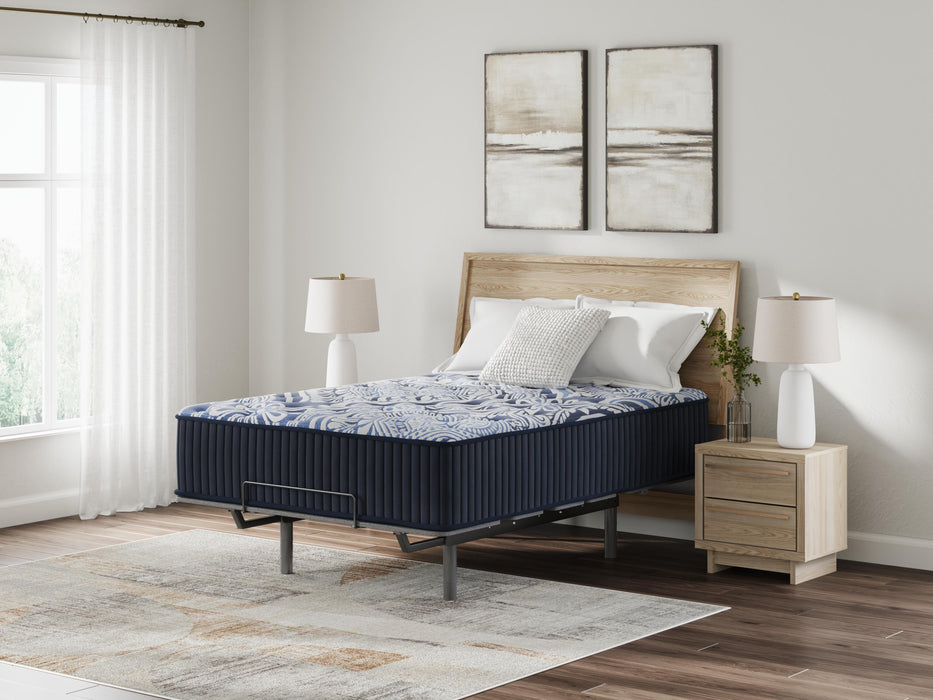
Finding the right mattress when you have specific sleep preferences - or share a bed with someone who sleeps nothing like you - can feel overwhelming. There is no single perfect mattress that works for everyone. What delivers a great night's sleep for one person might leave another tossing throughout the night. This guide breaks down which mattress types, firmness levels, and features match different sleep preferences so you can make a confident, informed decision.
Key Takeaways
-
The best mattress depends on your sleep positions, body weight, and firmness preferences - not on a single universal model.
-
Side sleepers typically need a softer foam or hybrid feel for pressure relief at the hips and shoulders, while back and stomach sleepers need firmer options that keep the spine aligned.
-
Combination sleepers who shift positions benefit most from responsive materials like latex or hybrids that allow easy movement.
-
Couples with wildly different sleeping preferences can solve conflicts with split firmness designs, modular layer systems, or a split king setup made from two twin XL mattresses.
-
Motion transfer, temperature regulation, and edge support matter just as much as mattress firmness when trying to find the best mattress for your situation.
-
Choosing the right size mattress (queen, king, split king) and using trial periods of 90–365 nights can prevent you from being stuck with the wrong firmness for years.
Understanding Your Sleep Preferences
"Sleep preferences" go beyond whether a mattress feels soft or hard under your hand. They include your primary sleep positions, your ideal feel (plush, medium, or firm), how hot or cool you like to sleep, and how much you move during the night. Understanding each factor helps you narrow down what will actually let you sleep comfortably.
-
Sleep positions: The major categories are back, side, stomach, and combination sleepers. Most adults shift between at least two positions per night. Research published in the Journal of Physiological Anthropology confirms that position directly influences pressure distribution and spinal alignment, which drive comfort and pain outcomes.
-
Firmness preferences: Firmness is commonly rated on a 1–10 scale (1 being ultra-soft, 10 being rock-hard). A plush mattress allows more sinking for pressure relief; a firm mattress resists sinking and holds alignment. Interestingly, 51% of Americans report that they prefer a firm mattress, but "firm" feels different depending on materials and body weight.
-
Body weight and shape: Heavier sleepers (roughly 230 lb and above) compress comfort layers more, so a mattress rated "medium" may feel soft to them. Lighter sleepers (under 130 lb) often need softer comfort layers because they don't generate enough force to engage firmer foams. What feels right shifts based on your specific body.
-
Partners with opposing preferences: One partner may want a firm mattress for back sleeping, while the other craves a soft surface for side sleeping. These different firmness preferences are common - about 35% of couples argue about mattress firmness - and they directly affect which mattress types and configurations make sense.
Mattress Types and How They Match Sleep Styles
The four major mattress types are innerspring mattresses, foam (including memory foam), latex mattresses, and hybrids. Each construction handles pressure, heat, bounce, and support differently, making some a natural fit for certain sleep styles while others fall short.
-
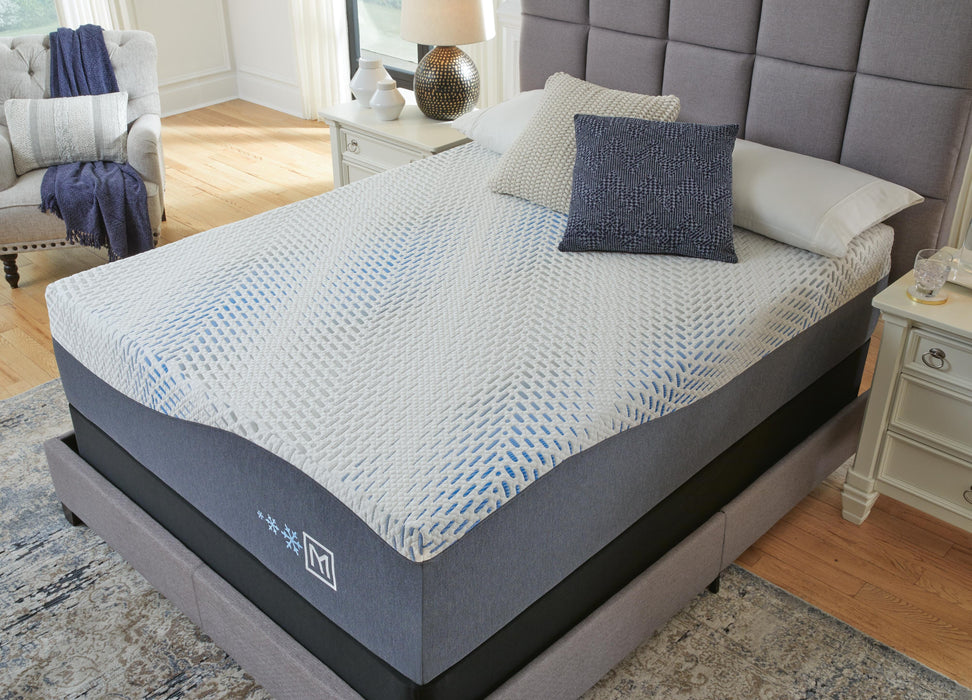
Foam mattresses (memory foam and polyfoam): A memory foam mattress contours closely to the body, filling gaps around the hips and shoulders for excellent pressure relief. Memory foam mattresses excel at reducing motion transfer, making them ideal for side sleepers and anyone sharing a bed with a light sleeper. The tradeoff is heat: standard memory foam has low thermal conductivity (~0.04–0.06 W/m·K), so these beds can trap more heat. Gel-infused memory foam and open-cell designs help, but primarily affect the top layer rather than the entire bed. Foam layers in higher densities (4–5 lb/ft³) can last 8–10 years; lower-density foams may soften within 3–5 years.
-
Latex mattresses: Latex mattresses are made from natural or synthetic rubber, offering a firmer lift than memory foam with noticeably faster bounce-back. Natural or organic latex offers better breathability and durability - lasting up to 15–20 years in many cases. Latex mattresses tend to stay cooler than memory foam thanks to higher thermal conductivity (~0.10–0.14 W/m·K) and open-cell structure. They work well for combination sleepers who change positions frequently and for hot sleepers who sleep hot on foam.
-
Innerspring mattresses: Traditional innerspring mattresses use a core of steel coils (bonnell, offset, or pocketed) for a supportive, bouncy feel. Breathable innerspring coils provide excellent temperature regulation because air flows freely through the coil structure, and innerspring mattresses generally retain less heat than foam models. The downside: interconnected coils transfer movement across the bed, so they're typically worse for motion isolation. Back and stomach sleepers who prefer a firmer feel and don't share a bed often do well here.
-
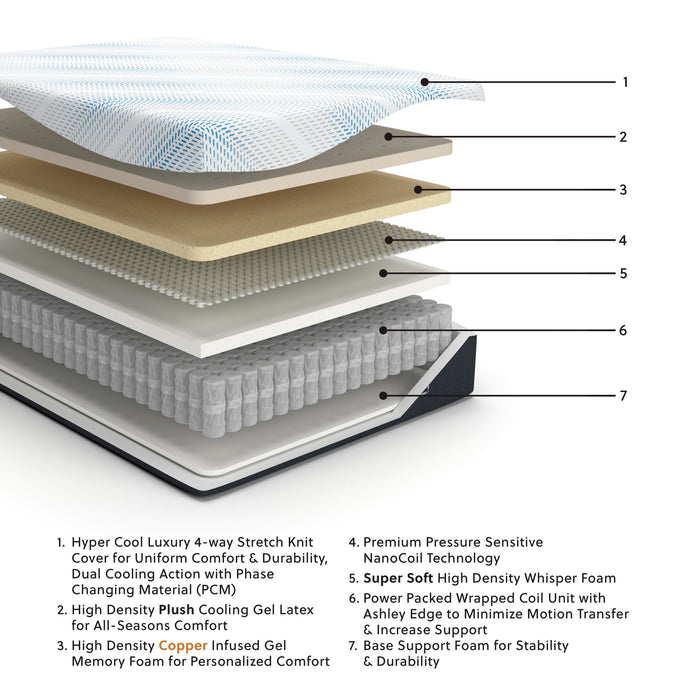
Hybrid mattresses: A hybrid mattress combines foam layers or latex comfort layers with a pocketed coil support core. This blends the contouring of foam with the airflow and support of coils. Hybrid mattresses offer better airflow compared to all-foam beds, and pocketed coils reduce motion transfer better than interconnected coils in mattresses, giving hybrid mattresses good motion isolation and responsiveness. A hybrid mattress is ideal for couples with different sleeping positions because it balances comfort and support across multiple needs. Good airflow and reinforced edges are important features in hybrid mattresses, making them versatile across body types.
Best Firmness and Support by Sleep Position
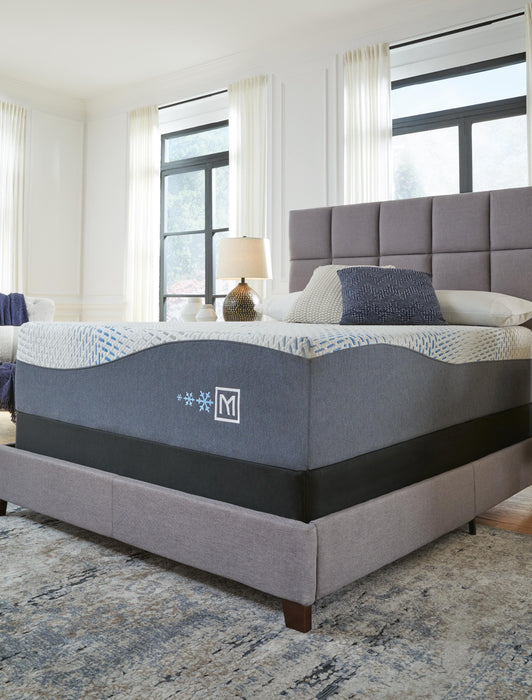
Sleep position is one of the strongest predictors of ideal mattress firmness. Mattress firmness influences comfort and support based on sleeping position and body weight, so recommendations shift depending on who you are and how you sleep.
-
Side sleepers need a firmness level of 3–6 out of 10. Side sleepers require enough cushioning at the hips and shoulders to prevent pressure points from building up, but not so much softness that the lumbar spine droops. A medium or medium-soft mattress with contouring foam layers or a plush hybrid typically provides the right balance of pressure relief and lumbar support.
-
Back sleepers require a firmness level of 6–8 for support. The mattress must maintain the natural lumbar curve and keep the spine aligned without pushing the torso upward. Medium to medium-firm options - especially latex or hybrids with zoned support - deliver firm support without a rock-hard feel.
-
Stomach sleepers should choose a firmness level of 7–9. Stomach sleepers need a surface that prevents the midsection from sinking, which would hyperextend the lower back. A firm mattress with a thinner top layer and dense support core keeps things neutral. Too-soft surfaces are the fastest route to morning back pain for this group.
-
Combination sleepers benefit from medium-firm mattresses for support, typically in the 4–7 range depending on body weight. The key for combination sleepers is responsiveness: materials that let you switch positions without that "stuck in the bed" sensation. Latex and hybrids with fast-recovering foam layers are typically the best fit for sleepers who shift positions multiple times per night.
-
Body weight adjustments: Firmer hybrids provide better alignment and support for individuals over 230 lb, who compress comfort layers more than average. Under 130 lb, a mattress labeled "medium" may feel firm, so softer comfort layers are often necessary. These adjustments matter - a 2026 study on region-specific pressure analysis confirmed that the same firmness level produces very different pressure outcomes on different body shapes.
Matching Mattress Features to Specific Sleep Preferences
Beyond firmness, several key features determine whether a mattress actually delivers comfort throughout the night. A mattress's ability to manage motion, temperature, edge stability, and bounce can make or break your experience - especially if you share the bed.
-
Motion transfer and motion isolation: If your partner tosses, turns, or gets up early, good motion isolation is essential. Memory foam mattresses excel at reducing motion transfer because the dense foam layers absorb movement before it reaches you. Hybrid mattresses also provide good motion isolation and responsiveness when paired with pocketed coils. Minimizing motion transfer is crucial for any light sleeper: a Sleepopolis survey found 56% of people are woken by their partner, and 82% of people report their partner's sleeping habits wake them up.
-
Temperature regulation: Cooling technologies in mattresses help prevent overheating, especially for sleepers who sleep hot. Cooling materials like gel foam can help regulate temperature at the surface. Hybrids with pocketed coil cores allow air to circulate beneath the comfort layers, and latex runs naturally cooler than dense foam. Look for covers made from breathable materials - including organic cotton or moisture-wicking fabrics - rather than heavy synthetics that trap more heat. Research from Sleep Surface Lab measured real mattress microclimates and confirmed that natural latex and hybrid constructions outperform all-foam designs in thermal regulation.
-
Edge support: Good edge support matters for couples using the full bed surface and for anyone who sits on the side of the bed frequently. Coil-reinforced borders in hybrids or high-density foam rails prevent the mattress from collapsing at the edges. Without good edge support, the usable sleeping area shrinks noticeably, which can push partners toward the center.
-
Responsiveness: How quickly materials rebound after compression determines ease of movement. Latex and well-built hybrids offer quick recovery, making them great for combination sleepers who change positions often. Dense memory foam responds more slowly, providing a luxurious feel but potentially trapping active sleepers.
-
Durability: High-quality latex mattresses and well-built hybrids often exceed 8–10 years of useful life, while lower-density foam layers can soften or develop impressions within 3–5 years. Zoned support systems in mattresses - which use different coil tensions to support the spine at the shoulders, lumbar, and hips - often outlast uniform designs because they distribute stress more evenly across the mattress.
-
Targeted support: Some mattresses feature targeted support zones with varying densities or coil tensions under the shoulders, hips and shoulders, and lower back. These zones help maintain spinal alignment regardless of position.
Mattress Solutions for Couples with Different Needs
Partners often disagree on firmness, feel, and temperature. Couples with different firmness preferences often face sleep issues that go beyond minor annoyance - one or both partners may wake repeatedly or end up on the couch. Here are concrete solutions rather than vague compromises.
-
Single-compromise mattress: A shared mattress in the medium to medium-firm range can work when both partners' preferences are not far apart - for instance, two average-sized sleepers where one is a back sleeper, and one is a side sleeper. This approach fails when one partner prefers firm and the other wants plush, or when body weight differs significantly.
-
Split firmness on one mattress: Split firmness mattresses allow each partner to choose their firmness by using different internal layers or foam densities on each side. These designs keep a continuous cover so there is no noticeable gap down the middle, making them practical for queen and king mattress sizes. Dual-zone mattresses provide different firmness for each partner within one frame, which works well when one side needs a firmer feel, and the other needs more cushioning.
-
Split king setup: A split king uses two twin XL mattresses side by side on one frame. This gives each partner full independence and motion control. Twin XL mattresses can even pair with separate adjustable bases for different head and foot positions. The drawback is managing the center gap (bed bridges and fitted sheets help) and ensuring both mattresses are the same height. This is the strongest option for couples with wildly different sleeping preferences.
-
Modular / layer-based designs: Modular mattresses let couples adjust layers for individual comfort - swapping, adding, or removing foam layers or latex slabs under a shared top cover. This means you can fix the wrong firmness months after purchase without buying a new mattress entirely. Modular mattresses can adjust layers for different firmness needs over time.
-
Adjustable firmness systems: Some beds use air chambers or mechanical systems to let each sleeper adjust firmness independently, similar to a Sleep Number bed, where each side has its own Sleep Number setting. Active Pressure Relief mattresses adjust firmness in real-time, which is helpful when preferences change due to pregnancy, injury, or aging. Customizable mattresses can adapt to changing sleep positions as needs evolve. These options tend to cost more but offer long-term flexibility that a static mattress cannot.
Choosing the Right Size Mattress for Your Situation
The size of the mattress you choose influences personal space, motion disturbance, and how effectively you can accommodate different sleep preferences under one roof.
-
Full bed and queen: A full bed (54×75 in) or queen (60×80 in) suits single sleepers or couples who don't mind sleeping close. However, a queen offers limited space if one partner is a combination sleeper who takes up more surface area. Motion from one side reaches the other more easily on smaller beds.
-
Standard king mattress: A king mattress (76×80 in) adds roughly 16 inches of width over a queen. For most couples, this extra space reduces disturbance, gives room for different sleep positions, and makes split firmness designs more practical.
-
Split king: Two twin XL mattresses placed side by side on a shared frame equal a standard king footprint. This is the most flexible option for partners who need completely different firmness levels or want independent adjustable bases. Use a bed bridge and deep-pocket king sheets to manage the center gap.
-
Height and room size: Mattress heights range from 8 to 14+ inches (hybrids and latex tend toward the taller end). Leave at least 30 inches of walking space around the bed, and check ceiling height if you're pairing with a taller platform or adjustable base.
Common Problems When the Firmness Is Wrong
Sleeping on the wrong mattress does more than cause discomfort - it creates measurable pain, wrecks sleep quality, and can strain relationships. An RTI study on mattress selection found that wrong firmness significantly affected 9 of 11 sleep and wake metrics, including morning pain ratings.
-
Physical signs: Morning stiffness or pain in the lower back, numb arms or shoulders, hip soreness, and waking frequently to change positions are all red flags. Pressure points that build up at the hips and shoulders (too firm for side sleepers) or a sinking midsection (too soft for stomach sleepers) disrupt sleep architecture.
-
Spinal misalignment: A mattress that is too soft for back or stomach sleepers lets the midsection sink, hyperextending the lumbar spine. A mattress that is too firm for side sleepers forces the shoulders and hips to bear concentrated pressure, pushing the lumbar spine out of neutral alignment.
-
Relationship impacts: When comfort needs aren't met, one partner often migrates to the couch or a separate room - sometimes called "sleep divorce." Ongoing disagreements about firmness (recall: 35% of couples argue about it) compound stress that extends beyond the bedroom.
-
Practical next steps: Use trial periods fully before deciding. If the mattress feels close but not quite right, a 2–3 inch foam or latex topper can add enough support or cushioning for minor adjustments. If both partners are consistently uncomfortable, move to a split firmness or modular solution rather than forcing compromise on the wrong mattress.
How to Test and Compare Mattress Types at Home or In-Store
Careful testing is the difference between landing the right mattress and regretting a purchase for years. Labels like "plush" or "firm" vary wildly between manufacturers, so hands-on (or body-on) evaluation matters.
-
In-store testing: Lie in your primary sleep position on each mattress for at least 10 minutes. Bring or ask for a pillow similar to your home pillow - pillow height changes how your spine sits. Press near the edges to check edge support. Note whether you feel pressure points at your shoulders, hips, or lower back. Pay attention to whether the surface provides enough support without feeling punishing.
-
At-home trials: Most direct-to-consumer mattresses offer 90–365-night trials. Keep a brief sleep diary: each morning, note pain or stiffness levels, whether you woke during the night, temperature comfort, and overall sleep quality. Some discomfort appears only after several weeks, so don't judge too quickly.
-
For couples: Each partner should test in their primary position and rate comfort separately. Have one partner roll over or get out of bed while the other lies still - this is a practical motion transfer test. Evaluate temperature with two bodies generating heat, which is different from sleeping alone.
-
Test multiple types and firmness levels: Try a foam mattress, a latex option, and a hybrid mattress across soft, medium, and firm variants. If you're a combination sleeper or have a history of back or shoulder pain, testing across mattress types and firmness levels is especially important. The goal is comparison, not love at first sight. This process is how you find the best mattress for your body rather than relying on marketing descriptions.
If you're shopping as a couple, don't settle until both partners have tested separately and together. A good night's sleep is worth the extra time.
FAQ
These answers address common questions that go beyond the main sections above, focusing on lifespan, adjustments, and specific scenarios.
How long should a quality mattress last before it affects my sleep?
Typical lifespans vary by type: many foam mattresses last around 6–8 years before noticeable softening, well-built hybrids and innerspring mattresses hold up for roughly 8–10 years, and high-quality latex mattresses can perform well for 10–15 years or longer with proper care. Signs that it's time to replace include visible sagging deeper than 1.5 inches, new aches that disappear when you sleep elsewhere, or feeling innerspring coils or hard spots through the surface. Heavier sleepers and very active combination sleepers tend to wear mattresses faster and should inspect theirs more often.
Can a mattress topper fix the wrong firmness, or do I need a new mattress?
A topper can help when the base mattress still provides firm support, but the surface feels too hard - common for side sleepers who need extra pressure relief at the hips and shoulders. A 2–3 inch memory foam or latex topper adds cushioning without replacing the entire bed. However, toppers cannot compensate for a worn-out support core, deep sagging, or structural failure. If the mattress sinks noticeably under your weight regardless of the topper, a new mattress is the better investment.
What mattress works best if I change sleep positions and also sleep hot?
Medium to medium-firm latex mattresses or breathable hybrid designs are strong choices here. They combine responsiveness for easy turning with better airflow than solid foam. Look for perforated latex, coils with open spaces for ventilation, and covers made from breathable materials like organic cotton. Very dense traditional memory foam without cooling features may trap more heat and resist repositioning, making it less comfortable for hot combination sleepers who need to switch positions freely.
How do I handle different firmness preferences if I don't want a split king gap?
Split firmness mattresses built as one piece can offer different firmness levels on each side without a noticeable center gap, especially in queen and king sizes. Modular designs allow each side's internal layers to be arranged differently while the outer cover remains continuous, delivering the right balance for both partners. Look for designs that also limit motion transfer so one side's feel and movement do not disturb the other sleeper - the combination of split firmness and good motion isolation is the closest you can get to the perfect mattress for two people with different sleep needs.
Is a very soft mattress always better for side sleepers?
Not always. Side sleepers need more cushioning than back or stomach sleepers, but an overly soft mattress can let the spine sag between the shoulder and hip, causing lower back pain over time. The sweet spot is a medium to medium-soft feel that provides pressure relief at the shoulders and hips with enough support underneath to keep the spine aligned. Side sleepers with shoulder or hip pain should prioritize contouring foams or hybrids with targeted support zones rather than simply choosing the softest option available.
Discover Mattress Collection at Discount Furniture World
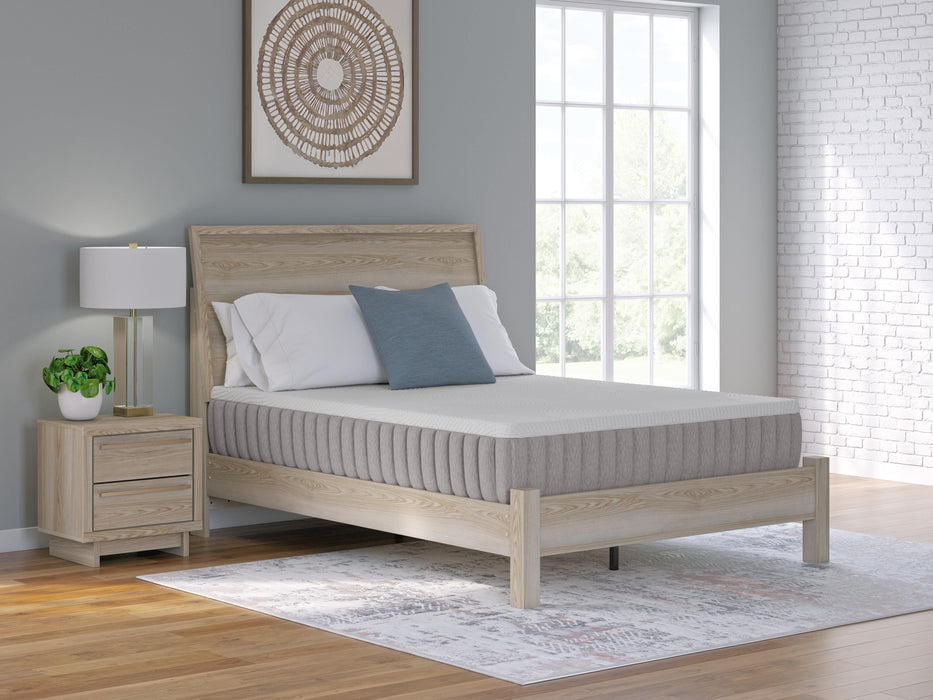
Sleep better every night with the Mattress Collection at Discount Furniture World, offering quality mattresses designed for lasting comfort and dependable support. Whether you're upgrading your current bed or furnishing a new space, you'll find options that suit a variety of sleep styles and budgets.
Visit Discount Furniture World today to browse our Mattress Collection and find the perfect mattress for your home. Our knowledgeable team is ready to help you compare comfort levels and features, making it easy to choose a mattress that delivers the restful sleep you deserve.