
How to Pick a Mattress That Fits Your Sleeping Needs
Key Takeaways
-
The right mattress depends on your sleeping position, body weight, height, room size, and whether you share the bed.
-
Most adults do well on medium-firm mattresses, but lighter sleepers often need softer cushioning, and heavier sleepers often need firmer, more supportive designs.
-
Match mattress types to your priorities: memory foam for motion isolation, latex for responsiveness, hybrids for balanced support, and innerspring mattresses for airflow.
-
Mattress size matters: a queen is the most commonly sold mattress size at 60x80 inches, while a king measures 76x80 inches and works best in larger bedrooms.
-
Replace an old mattress every 7–10 years, or sooner if it sags, causes back pain, or stops giving you a comfortable night’s sleep.
Why Your Mattress Choice Matters
We spend roughly one-third of each day in bed, so your mattress has a direct impact on your energy, focus, mood, and recovery. Learning how to pick a mattress that fits your sleeping needs can be the difference between waking up refreshed and waking up stiff.
A well-chosen mattress supports the natural S-curve of your spine, reduces pressure points, and can ease chronic back pain or joint discomfort. A mattress that is too soft can lead to poor spinal alignment, while a mattress that is too firm can create pressure points, making it essential to find a balance that supports the body’s natural curves.
The best mattress is not universal. Your perfect mattress depends on sleep style, body weight, height, allergies, whether you sleep hot, and how much motion you feel from a partner or pet.
In 2026, shoppers have more options than ever: advanced foam, hybrid designs, latex foam, adjustable mattresses, cooling covers, and multiple layers of targeted support. This mattress buying guide walks through sleeping position, mattress firmness, mattress type, mattress size, and practical buying details so you can find the perfect match.
Step 1: Understand Your Primary Sleep Position
Your sleeping position is the fastest way to narrow down choices when you choose a mattress. Pay attention over several nights to see whether you are mainly a side sleeper, back sleeper, stomach sleeper, or combination sleeper.
According to a survey, 85% of people sleep on their side, 42% sleep on their back, and 26% are stomach sleepers. These numbers overlap because many people change positions during the night.
Each position loads pressure differently: side sleepers feel more force at the shoulders and hips, while back sleepers and stomach sleepers need extra support around the lower back. Choosing the right mattress involves matching firmness and material to sleeping position for proper spinal alignment and pressure relief.
Side Sleepers
Side sleepers need extra pressure relief around the shoulders and hips to avoid numbness and soreness. Side sleepers typically perform best on medium to medium-firm mattresses that contour to the body and reduce pressure points, especially in the shoulders and hips.
As a general rule, those under 130 lbs generally need a softer mattress to experience pressure relief, while those over 230 lbs require firmer mattresses to prevent sinking. Most side sleepers should look at medium soft to medium firm options.
Memory foam and hybrids with plush comfort layers often work well because they contour while still supporting the spine. When testing, your spine should look straight from neck to tailbone, and your shoulder should sink in without twisting your ribcage.
Back Sleepers
Back sleepers place more weight through the pelvis and lower back. They need a mattress that fills the lumbar curve without letting the hips sag.
Back sleepers do best with a medium-firm to firm mattress that provides light to moderate contouring to maintain spinal alignment without sagging. Medium firm support is often the safest starting point.
Too-soft beds can create a hammock shape. Too-firm beds can leave the lower back unsupported and cause back pain. Foam or a hybrid mattress can work well if the mattress feels gently contouring but keeps the torso “on” rather than “in” the surface.
Stomach Sleepers
Stomach sleeping is hard on the spine because the hips tend to dip, exaggerating the lower-back arch. Stomach sleepers generally need a firmer mattress to prevent their hips from sinking too deeply, which can lead to an unnatural curve in the spine.
A firm mattress or a medium firm mattress is usually better than a plush pillow-top. Very soft comfort layers can let the midsection collapse into a U-shape.
When testing, your chest and pelvis should stay roughly in one straight line. If your lower back feels folded or compressed, you likely need extra support.
Combination Sleepers
Combination sleepers change position throughout the night, so they need a responsive mattress that works reasonably well across side, back, and stomach sleeping.
Combination sleepers should choose a mattress based on the position they spend the most time in, with medium-firm being a good option for versatility across positions. Hybrids and latex mattresses are often strong choices because they rebound quickly and make rolling over easier.
If you rotate between side and stomach, avoid extremes. A balanced medium firm surface usually gives enough contour without trapping you.
Step 2: Match Firmness to Your Body Type and Sleep Position
Firmness is measured on a scale from 1, extremely soft, to 10, extremely firm, helping consumers compare how a mattress feels and who it may be best suited for. Most mattress brands call “medium firm” a 6–7 out of 10.
Firmness is subjective. Body weight influences how much one sinks into a mattress, necessitating different firmness levels across various weight groups. The same mattress feels firmer to a lighter person and softer to a heavier person.
The ideal firmness of a mattress often depends on a combination of sleeping position and body weight, with most sleepers benefiting from a medium-firm feel, around 6 out of 10 on the firmness scale. In general:
-
Under 130 lb: slightly softer comfort for pressure relief
-
130–230 lb: follow the default firmness level for your position
-
Over 230 lb: firmer cores, thicker mattresses, and stronger edge support can help prevent sinkage
Your goal is neutral alignment: head, shoulders, spine, and hips supported without pressure buildup.
Firmness Guide by Position
Use this as a starting point:
|
Sleep position |
Typical ideal firmness |
|---|---|
|
Side sleepers |
Soft to medium-soft, or medium to medium firm for many adults |
|
Back sleepers |
Medium to medium firm |
|
Stomach sleepers |
Medium firm to firm |
|
Combination sleepers |
Medium to medium firm |
The firmness level needed varies by sleeping position, with recommended ranges from soft to medium-soft for side sleepers to firm for stomach sleepers.
People with back pain often do best on medium-firm mattresses. A 2026 pressure-distribution study in the International Journal of Industrial Ergonomics found that medium-soft to medium-firm surfaces often balance comfort and support across positions, while regional support may matter for areas like the waist and shoulders (study summary).
If you wake with sore shoulders or hips, your mattress may be too firm. If you wake with a sagging feeling or lower-back pain, it may be too soft. Mattress toppers can fine-tune comfort, but they cannot fix a failing support core.
Step 3: Choose a Mattress Type That Matches Your Needs
The main mattress types are foam, innerspring, hybrid, latex, and adjustable systems. No single type is “best”; each has trade-offs in support, pressure relief, temperature regulation, motion isolation, lifespan, and price.
Different mattress types offer distinct feels, cooling properties, and lifespans, including memory foam, latex, innerspring, and hybrids. Before shopping, rank your priorities: back pain relief, cooling, low motion transfer, natural materials, or easy movement.
Memory Foam and Other Foam Mattresses
Memory foam mattresses are known for their ability to conform to the body, providing excellent support and pressure relief, but they can also retain heat. Memory foam creates a slow-responding hug that helps relieve pressure points at the shoulders and hips.
Foam mattresses are built entirely of foam layers, which can include memory foam, non-memory polyurethane foam, and latex, providing a cradling feel. All foam mattresses often isolate motion extremely well, making them useful for couples.
Higher-density foam usually lasts longer but may increase heat retention. Hot sleepers should avoid traditional memory foam and opt for latex, innersprings, or foams with cooling infusions. If you love contouring but dislike warmth, look for breathable materials, cooling covers, or ventilated foam.
Innerspring Mattresses
Innerspring mattresses consist of a steel-coil foundation topped with layers of fiber padding, foam, or both, and can come in various types such as tight top, pillowtop, and Eurotop.
They feel bouncy, traditional, and easier to move on. Air flows through the coil unit, so it can help people who struggle with body heat.
The trade-off is that many innersprings transfer more motion than foam mattresses. They may also offer less deep contouring for side sleepers unless the top layer is plush enough.
Hybrid Mattresses
Hybrid mattresses combine the support of innerspring coils with the comfort of foam, offering a balance of cushioning and support, making them popular among various sleepers.
A hybrid mattress can be tuned soft, medium, or firm. Hybrids often provide better edge support, stronger airflow, and more responsiveness than most memory foam beds.
They also tend to cost more and weigh more. Still, for many shoppers, hybrids deliver the most versatile sleep experience because they combine coil support with pressure-relieving comfort layers.
Latex Mattresses
Latex mattresses are made from the liquid of rubber trees and offer a naturally breathable and hypoallergenic option, providing a subtly springy feel.
Latex is buoyant rather than deeply sinking. It is a good fit for combination sleepers, hot sleepers, and anyone who dislikes feeling stuck in dense foam. Many latex options also appeal to people who want low-VOC or more natural sleep products.
Full latex beds are usually heavier and more expensive, but high-quality latex can be very durable.
Adjustable Mattresses and Bases
Adjustable mattresses are designed to work with motorized bases that raise the head or feet. Some include massage or zero-gravity settings.
These systems may help certain people with chronic back pain, snoring, acid reflux, or circulation issues. Foam and latex usually flex best on adjustable bases; rigid coil units may not be compatible.
Before buying, check weight limits, compatibility, and mattress thickness. Thicker mattresses may feel luxurious, but excessive mattress thickness can reduce flexibility on an adjustable base.
Step 4: Pick the Right Mattress Size for Your Space and Lifestyle
Mattress size affects comfort, movement, and how the bed fits your room layout. Choosing the right mattress size is crucial and should be based on factors such as whether you are sleeping alone or with a partner, the size of your room, and your body size.
Upgrading from an old mattress to a larger new mattress can dramatically improve sleep, especially for couples or restless sleepers. But measure doorways, stairwells, and room dimensions before choosing a larger-size mattress.
Common Mattress Sizes (Including Twin XL)
Common U.S. sizes include:
-
Twin: about 38x75 inches; good for kids or tight spaces
-
Twin XL: about 38x80 inches; useful for taller teens, dorms, or a spare room
-
Full: about 54x75 inches; best for one adult who wants extra room
-
Queen: 60x80 inches
-
King: 76x80 inches
-
California king: about 72x84 inches; longer but slightly narrower than a king
The most commonly sold mattress size is the queen, measuring 60x80 inches, which provides enough space for two people to sleep comfortably and is suitable for a solo sleeper who likes to move around.
A king mattress, measuring 76x80 inches, offers ample room for two people to sleep comfortably and is ideal for larger bedrooms of at least 12x12 feet.
Couples should generally avoid anything smaller than a queen for a truly comfortable night’s sleep. Leave enough space around the bed for walking, nightstands, drawers, and storage.
Step 5: Align Your Mattress With Specific Sleep Issues
Once position, firmness, and size are set, tailor your choice to your biggest sleep complaints. This is where personal preferences become a huge factor.
Write down your top one or two mattress questions, such as “Why do I wake with lower-back pain?” or “Why do I overheat at 3 a.m.?” Then shop for features that solve those problems.
Back Pain and Joint Discomfort
Choosing the best mattress for back pain means considering the nature of that pain alongside other mattress needs and preferences.
A high-quality mattress with a medium-firm or slightly firm feel ensures the back is fully supported and the body doesn’t sink too deeply into the mattress, which helps create a neutral spinal alignment and alleviate pressure points.
The optimal mattress may depend on where a person experiences back pain, with different recommendations for lower back pain, middle back pain, and upper back pain. Lower-back pain often points to poor hip support. Upper-back pain may relate to shoulder pressure, pillow height, or lack of contouring.
Look for strong support cores, high-density foam, robust coils, and comfort layers that relieve pressure without letting the hips sink too far. If pain is persistent or severe, consult a healthcare provider.
Sleeping Hot or Cold
Hot sleepers should look for breathable covers, cooling infusions, latex, or coil-based airflow. Lab testing on cooling materials suggests phase-change covers may provide the strongest cooling early in the night, but the effect often decreases after saturation (cooling overview).
Memory foam tends to hold more warmth unless engineered for cooling. Latex, hybrids, and innersprings usually sleep cooler.
A breathable mattress protector, cotton or linen bedding, and lighter blankets can improve temperature regulation. Cold sleepers may prefer slightly plusher foam and insulating bedding.
Motion Isolation and Sharing the Bed
Motion isolation is best achieved with memory foam or pocketed coils, especially for couples or pets sharing the bed. This matters if one person tosses, gets up early, or sleeps with a restless animal.
Well-built hybrids can also reduce motion transfer when they use pocketed coils and thicker comfort layers. Strong edge support matters too, because couples often use the full bed surface.
If sleep preferences are dramatically different, consider split firmness or two separate mattresses in one frame.
Allergies and Sensitivities
People sensitive to dust mites, mold, or certain chemicals should look for hypoallergenic materials and removable, washable covers.
Foam and latex cores are often more resistant to dust mites than traditional open coils with thick fiber padding. A quality mattress protector reduces sweat, skin cells, and allergens over time.
Check material descriptions for possible irritants and look for low-VOC certifications when relevant.
Step 6: Plan Your Budget, Policies, and Practical Details
A good mattress is an investment expected to last roughly 7–10 years with proper care. The price range for mattresses typically falls between $600 and $2,000, with some models costing significantly more or less depending on features and quality.
Mattresses that cost around $2,000 or more often include additional features such as organic materials or advanced construction, but these extras are not always necessary for comfort or support.
The average price for a high-performing mattress is typically between $1,500 and $2,000, which balances quality and affordability without overspending. Many mattress brands frequently offer sales and promotions, especially during holidays, which can significantly reduce the final purchase price.
If you buy a mattress online, read the shipping, return, and warranty details carefully. If you visit physical stores, lie down for at least 10–15 minutes in your normal position rather than judging by a quick sit.
Also, budget for a supportive base, pillows, sheets, and a mattress protector.
Trial Periods, Returns, and Warranties
Trial periods of 30 to 100 nights are important for adjusting to a new mattress and determining comfort. Many online mattresses in 2026 offer long trial periods of about 100 nights or more, but some require a 30-night break-in before returns.
Check whether return shipping, pickup, or restocking fees apply. Typical warranties last around 10 years, but read what is actually covered: sag depth, manufacturing defects, broken coils, or cover issues.
Most warranties require proper support from the frame or foundation. Many also require the mattress to be clean and protected from stains.
Step 7: Protect and Maintain Your New Mattress
Even the best mattress will wear out faster without basic care. Start with a breathable, waterproof mattress protector from the first night to guard against spills, sweat, and dust mites.
Rotate the mattress every 3–6 months if the design allows. Most mattresses are not flippable, but rotation helps prevent uneven body impressions.
A few tips:
-
Vacuum the surface when you change bedding
-
Spot-clean stains promptly
-
Wash removable covers according to instructions
-
Keep the mattress on a supportive foundation
-
Use mattress toppers only when the core still provides additional support
When to Replace an Old Mattress
Most mattresses should be replaced after about 7–10 years, even with good care, because support gradually declines. Innersprings often wear faster, while high-quality latex may last longer.
Red flags include visible sagging, lumps, creaking springs, weak edges, or waking with new or worsening stiffness. If you consistently sleep better in hotels or on other beds than on your own, your old mattress may be ready to retire.
Recycle or donate when local services allow it instead of sending the mattress straight to the landfill.
Frequently Asked Questions
How do I know if my current mattress is causing my back pain?
If back pain is worse first thing in the morning and improves after moving around, your mattress may be a major contributor. Check for sagging deeper than about 1–1.5 inches, especially under the hips. You can also sleep on another reasonably supportive bed for several nights to compare.
Is a mattress topper enough, or do I really need a new mattress?
A topper can help if the issue is surface comfort, such as a bed that feels slightly too firm. A topper will not fix deep impressions, broken coils, or a support core that has collapsed. If discomfort continues for months, replacing the mattress is usually the better choice.
What is the best mattress for couples with different sleep positions and preferences?
A medium firm hybrid is often a strong compromise because it gives back and stomach sleepers support while offering enough cushioning for many side sleepers. Prioritize motion isolation, edge support, and cooling. If preferences are far apart, split firmness is usually easier than forcing one shared feel.
Do I really need a mattress protector if my mattress already has a cover?
Yes. A built-in cover is not the same as a dedicated protector. A good protector blocks spills, sweat, skin cells, and allergens that can shorten mattress life or void a warranty. Modern protectors are usually thin, breathable, and quiet.
How long should I test a new mattress before deciding to return it?
Give your body at least 2–4 weeks to adjust, especially if the new mattress is firmer or more supportive than your previous bed. Use the required break-in period in the trial policy, often around 30 nights, and track sleep quality, pain, and pressure points before deciding.
Conclusion
The right mattress is the one that fits your body, your sleeping position, your room, and your real sleep problems. Start with alignment and pressure relief, then refine by material, size, cooling, motion isolation, and budget.
If you are still unsure how to pick a mattress that fits your sleeping needs, use this simple order: position first, firmness second, type third, size fourth, and policies last. That process will help you choose a mattress that supports better sleep for years.
Shop Now at Furniture World for Mattress Collection
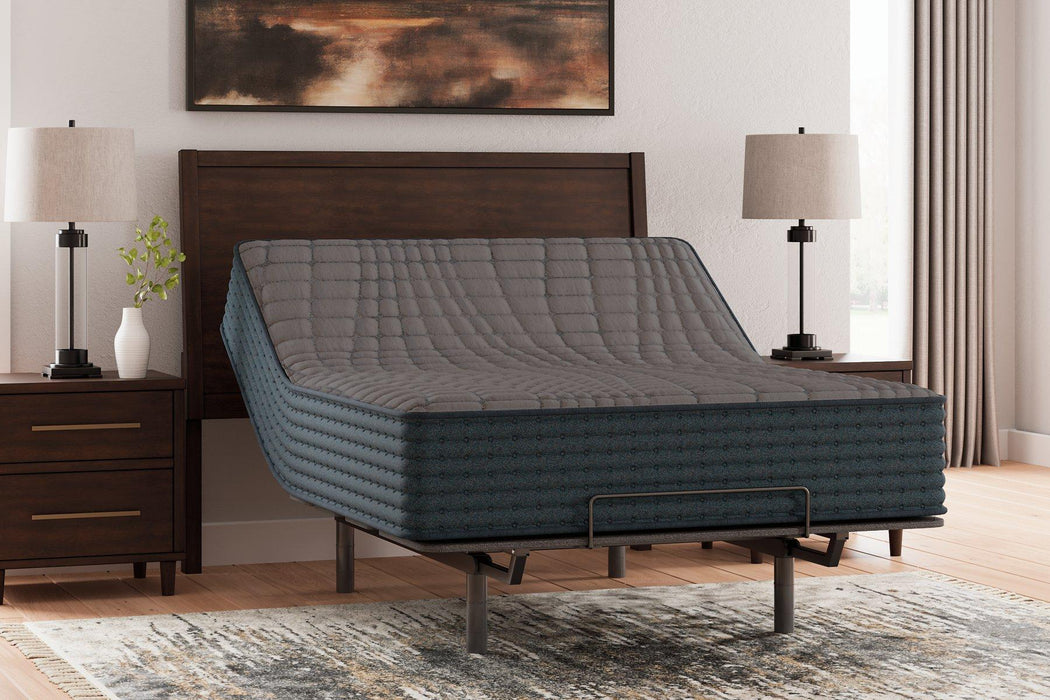
Shop now at Furniture World and explore a mattress collection designed to deliver the comfort, support, and restful sleep you deserve every night. Whether you're upgrading an old mattress or furnishing a new bedroom, our selection offers options that cater to different sleep styles, preferences, and comfort needs.
Get your mattress collection at Furniture World today and discover quality sleep solutions built for long-lasting performance. From soft, plush comfort to firm support options, you’ll find mattresses that help improve your sleep quality while adding value and comfort to your home.