
When a Mattress Upgrade Helps Improve Sleep Quality
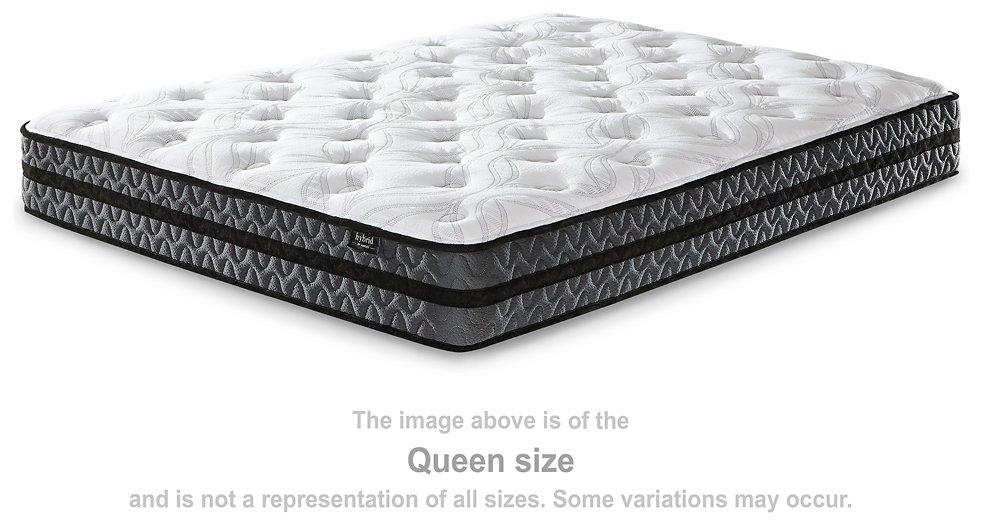
If you regularly wake up tired, stiff, congested, or sore, your mattress may be doing more than feeling uncomfortable. This guide explains when a mattress upgrade helps improve sleep quality, how to spot a failing bed, and how to choose the right mattress for your body, sleep space, and long-term well-being.
Key Takeaways
-
Mattresses older than 7–10 years, or those with sagging and body impressions, often cause poor sleep quality and should usually be replaced.
-
A new mattress with proper spinal alignment and pressure relief can reduce back pain, stiffness, night tossing, and frequent awakenings.
-
Memory foam and hybrid mattresses often improve motion isolation, cooling, and sleep comfort for couples.
-
Better sleep from a quality mattress supports energy levels, emotional balance, mental clarity, physical recovery, and overall health.
How Your Mattress Impacts Sleep Quality
Most adults spend 7 or more hours per night in bed, so the entire surface under your body matters. A good mattress supports the natural curvature of your spine, distributes body weight evenly, and helps you stay relaxed throughout the night. In simple terms, mattress impacts show up in how easily you fall asleep, how often you wake, and whether you reach deep sleep and rapid eye movement stages in a healthy sleep cycle.
Spinal alignment changes by position. Side sleepers need the shoulders and hips cushioned so the spine stays straight. Back sleepers need lumbar support without a gap under the lower back. Stomach sleepers often need a firm mattress, or at least medium firmness, to stop the hips from sinking and arching the lower back. A soft mattress can create sagging, while an overly firm mattress can create pressure points in the shoulders, hips, and neck.
The primary mattress type options are innerspring, foam, latex, and hybrid designs. Innerspring beds feel bouncy but may transfer motion. Memory foam mattresses contour closely, offering targeted pressure relief and strong motion isolation. Natural latex is breathable and helps maintain a balanced temperature for hot sleepers. Hybrid mattresses combine coils and foam for support, cushioning, and better sleep comfort.
Key Signs It’s Time to Upgrade Your Mattress
This section helps you quickly decide whether your current mattress is holding you back from better sleep. Waking up with new or worsening stiffness, neck pain, or lower back ache that eases after moving is a clear indicator that your mattress may need replacing. Nagging pains that fade during the day, numb arms or legs, frequent tossing and turning, and morning allergy flare-ups are signs of an inadequate mattress.
Also, look at your sleep patterns. If you frequently change positions at night because you can’t get comfortable, it suggests your mattress lacks adequate pressure relief or has developed uneven support zones. If you regularly wake because of discomfort, need extra pillows under your back or knees, or sleep better on hotel beds, guest beds, a friend’s couch, or your sofa than on your own bed, your own mattress is likely failing you.
Try this simple check: lie in your normal sleep position. If your hips sink much deeper than your shoulders, your lower back feels unsupported, or your bed pulls you toward the middle, your existing mattress may no longer provide adequate support.
Age, Wear, and Hygiene: When “Old” Becomes a Sleep Problem
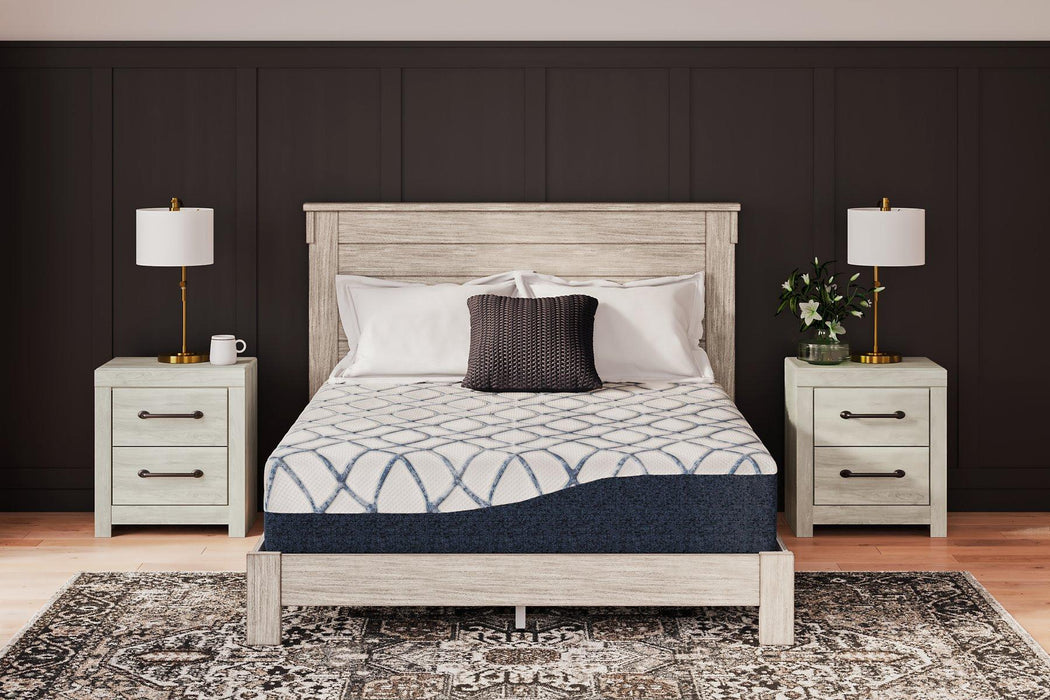
Mattress materials break down gradually, often before obvious damage appears. A mattress that is 7 years old or older is generally considered to have reached the end of its usability and should be replaced for optimal sleep quality. A mattress older than 7–10 years is a strong indicator that it may need to be replaced, as most mattresses reach the end of their usability around this time.
The typical lifespan of a mattress varies by type: innerspring and all-foam mattresses last about 6–8 years, hybrid mattresses last 7–10 years, and natural latex mattresses last 10–12 years or more when well maintained. Heavier sleepers, couples sharing a bed, and homes with children or pets typically experience faster mattress wear, potentially shortening the estimated lifespan by 1–3 years. Check the tag: a mattress made in 2015 is usually due for replacement by 2023–2025.
Visible sagging or deep indentations, lumps and shifting materials, noisy springs or noisy coils, creases, body impressions deeper than about 1–1.5 inches, and edge collapse indicate mattress degradation. Hygiene matters too. Older mattresses accumulate dust mites, sweat, other allergens, and moisture; this can worsen nighttime congestion, itchy eyes, coughing, and asthma symptoms. A mattress protector can help, but it cannot reverse broken support.
How a New Mattress Can Improve Sleep Quality
Research shows that upgrading to a new mattress can significantly improve sleep quality, with many users reporting reduced pain and better sleep efficiency after making the switch. A supportive mattress helps maintain proper spinal alignment, which can reduce tossing and turning during the night, leading to longer periods of uninterrupted sleep. Comfortable, supportive surfaces can reduce sleep latency by up to 38% and increase time spent in deep sleep stages.
A new mattress can improve overall sleep quality by relieving muscle tension, reducing morning aches, and helping with tension headaches. High-quality materials distribute body weight evenly, reducing painful pressure buildup on shoulders, hips, and neck. A mattress that relieves pressure points can significantly reduce tossing and turning, allowing for longer, uninterrupted periods of sleep, which are vital for restorative sleep and rest.
Modern materials and pocketed coils absorb movement, preventing partner disruptions during sleep. They can prevent partner movement from waking you, eliminate squeaks from old springs, and stop roll-together and tossing. Advanced modern mattresses feature cooling technologies, breathable fabrics, and gel-infused foams that dissipate body heat. Advanced materials pull warmth away, open-cell structures promote cooling airflow, and breathable fabric wicks away sweat during the night. Hypoallergenic materials resist pest buildup, modern foam resists moisture accumulation, and a cleaner new mattress can significantly reduce allergens, nighttime congestion, and coughing. Studies also indicate that a new mattress can lead to improved mood and energy levels, as quality sleep is linked to better emotional regulation and cognitive performance throughout the day. For research context, one mattress firmness study found medium-firm designs supported faster sleep onset and fewer disruptions (study overview).
Choosing the Right Mattress for Your Body and Sleep Style
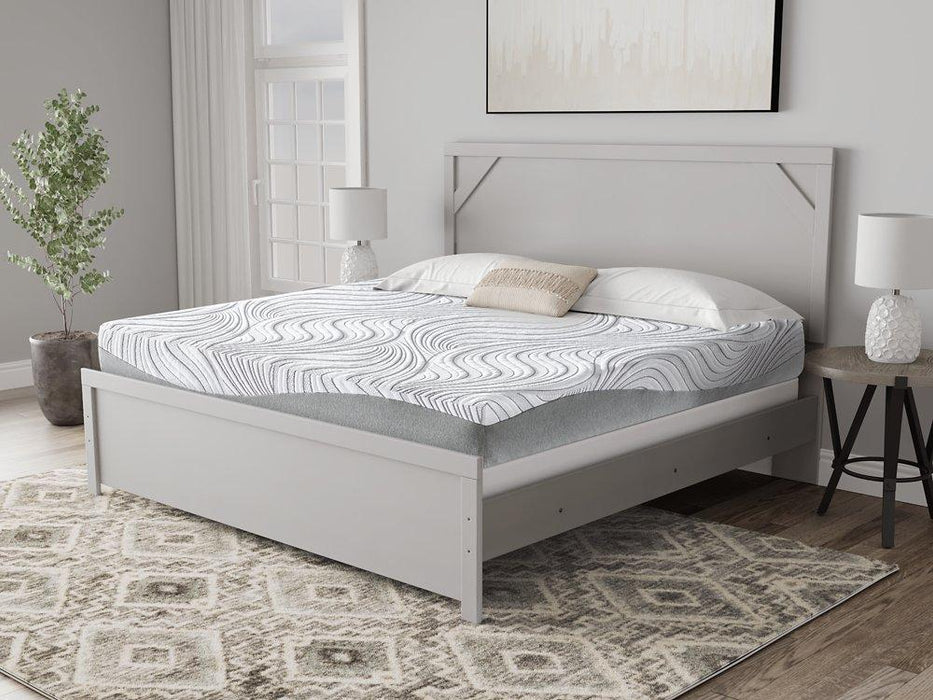
The best mattress depends on body weight, position, and personal comfort preferences. Generally speaking, back sleepers often do well on medium to medium-firm beds. Most side sleepers prefer medium to medium-soft surfaces to relieve pressure points. Many stomach sleepers need a slightly firmer, supportive mattress to protect spinal alignment.
Memory foam is useful for sore joints, chronic pain, and partners who move a lot because it contours and isolates motion. Hybrid mattresses are often preferred by couples and heavier sleepers because coils add lift while foam adds cushioning. Medium-firm mattresses are often recommended for individuals with chronic low back pain, as they provide optimal comfort and support for spinal alignment. You do not need the most expensive luxury mattress, but you do need a high-quality mattress with durable support.
Before buying your next mattress, test it in your usual position for 10–15 minutes. Notice whether your lower back feels supported and whether your shoulders and hips feel cushioned rather than pinched. The perfect bed should feel like a balance of comfort and control, not a surface you fight against.
Practical Steps Before You Upgrade
Not every sleep problem is solved by buying a new mattress overnight. Pain, sleep apnea, stress, and medical conditions can also affect sleep, so use this process to avoid a rushed big investment.
Track sleep for one to two weeks. Note wake-ups, pain levels, perceived stress, morning energy, and whether you feel refreshed. Set a realistic budget for a quality mattress, not just the cheapest option. Measure your room, sleep space, and current frame, then check whether the bed base is sagging or incompatible. Pillows, breathable bedding, a mattress protector, and a quiet, dark room all support restful nights and high-quality sleep.
FAQ
How often should I replace my mattress if I want consistently good sleep?
Many people benefit when they replace their mattress about every 7–10 years, depending on materials, body weight, and daily use. Couples, heavier individuals, and homes with kids or pets may need replacement closer to 6–8 years. The real signal is age plus pain, sagging, allergies, and declining overall sleep quality.
Can a mattress topper fix problems with an old mattress?
A thick topper can temporarily improve a slightly too-firm mattress. However, a topper cannot fix deep sagging, broken springs, major body impressions, or poor support. Use one as a short-term comfort upgrade while planning for a full replacement.
Is a firm mattress always better for back pain?
No. Very firm surfaces are not automatically best. Many people with back pain do better on medium-firm support that cushions while keeping the spine aligned. If pain is chronic or severe, use professional medical advice alongside in-person testing.
Do I need a new bed frame or base when I buy a new mattress?
Possibly. Many foam and hybrid models need a solid platform or closely spaced slats to perform correctly. Check the manufacturer’s base guidelines, and replace a frame that squeaks, sags, or lets the mattress dip.
How long does it take to adjust to a new mattress?
Most people need 2–4 weeks, or the first few weeks, to adapt to a new feel. Mild soreness can happen as pressure points change, but it should improve. A good mattress should help you sleep better, achieve restful sleep, and wake ready for a good night’s sleep again the next night.
Shop Now at Discount Furniture World for Mattress Collection
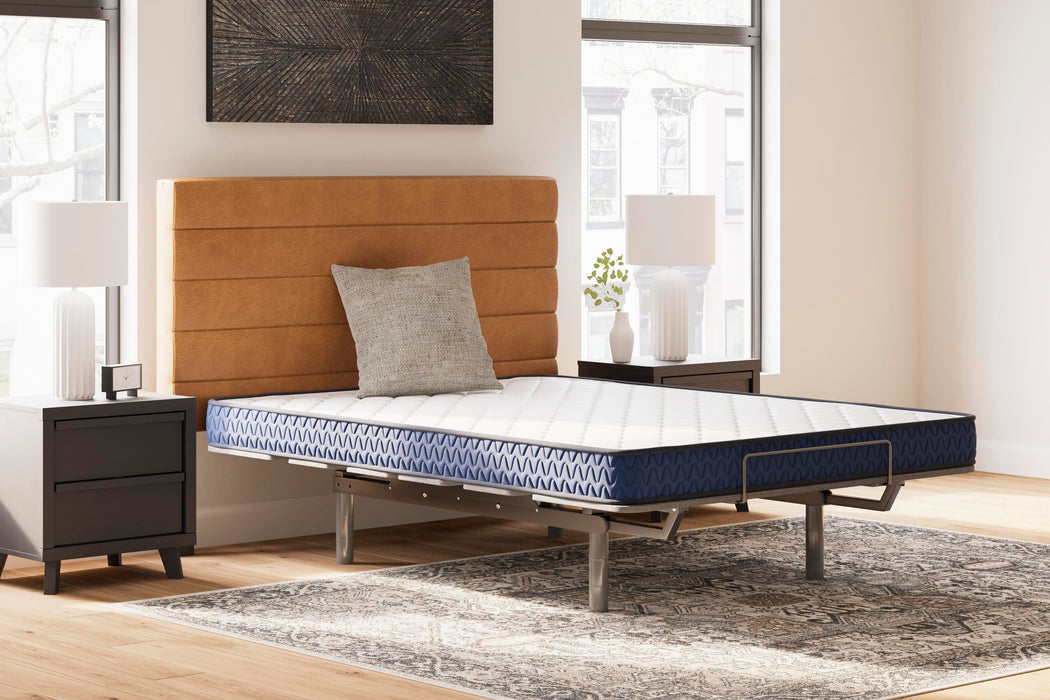
Shop now at Discount Furniture World and discover a mattress collection designed to deliver the comfort, support, and restful sleep you deserve. Whether you're replacing an old mattress or furnishing a new bedroom, our selection includes options for a variety of sleeping styles, preferences, and budgets.
Get your mattress collection at Discount Furniture World and enjoy quality sleep solutions built for long-lasting comfort and value. From plush and pillow-top designs to supportive firm mattresses, you'll find the perfect choice to help create a relaxing sleep environment and wake up feeling refreshed every morning.