
How to Choose Reclining Furniture That Supports Daily Comfort

Choosing the right recliner can transform how you watch TV, read, or take weekend naps. When selected with fit and support in mind, recliner chairs and recliner sofas become the centerpiece of daily relaxation rather than just another piece of furniture collecting dust.
The key to finding reclining furniture that truly supports everyday comfort lies not in flashy features or trendy designs. What matters most is frame strength, lumbar support, and how well the piece fits both your body and your room. A good recliner should provide essential lumbar support, allowing you to unwind in a seating position that supports your body and relieves stress. Recliners are available in various sizes to accommodate different body types, ensuring that everyone can find one that suits their height and comfort needs.
Whether you’re considering manual recliners or power recliners, either can deliver maximum comfort when properly matched to your lifestyle. This guide focuses on practical checks you can perform in store or through careful online research, the kind that helps you pick reclining furniture you can enjoy for 7 to 10+ years without regret.
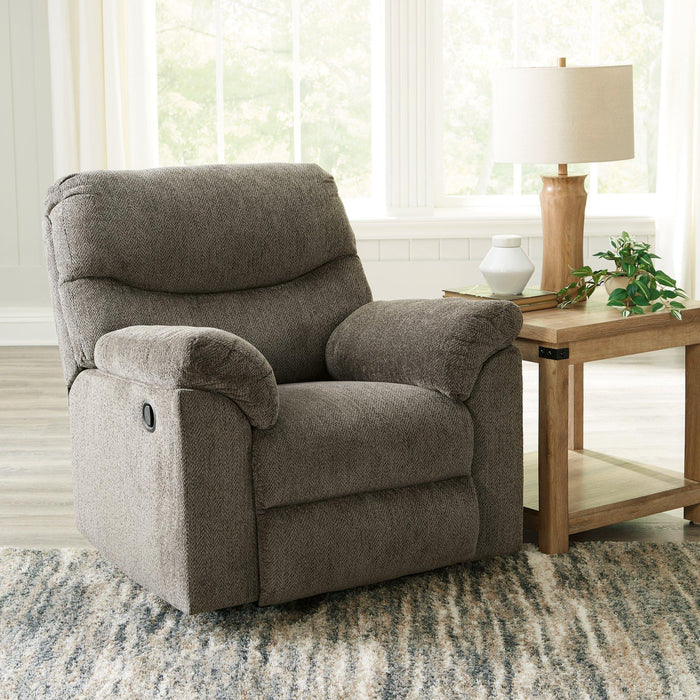
Manual vs Power Recliners: Start with How You’ll Use It Every Day
The choice between manual and power recliners comes down to how you’ll actually use the furniture daily, not whether one type is inherently better than the other. Both can deliver years of reliable comfort when matched to your specific needs.
Manual recliners use lever-pull or push-back designs, which have fewer failure points compared to power recliners that rely on motors and electronics. These mechanisms activate through simple cable-driven linkages requiring modest physical effort. Quality manual recliners typically last 8 to 12 years with normal use. Manual recliners are generally lighter, often weighing between 80 and 100 pounds, and do not require electrical outlets, making them easier to move and place in various locations throughout your home.
Power recliners offer one-touch convenience that reduces physical effort by 70 to 80 percent per recline, making them particularly beneficial for older adults or individuals with mobility issues. These models use quiet DC motors for smooth operation and precise positioning at any angle. Power recliners can last 7 to 10+ years, depending on the quality of the motors and electronics. Many include helpful additions like USB charging ports for device charging during long sessions.
For lifestyle-based guidance, choose power if you have mobility issues, fall asleep frequently while reclined, or spend extended hours in movie nights or reading sessions. Choose manual for simplicity, homes with kids and pets where cord placement becomes a tripping hazard, or flexible room layouts where you might rearrange furniture seasonally.

Frame and Mechanism: The Hidden Foundation of Everyday Comfort
Long-term everyday comfort starts inside the recliner with its frame and moving parts, not just the cushions you see and touch. The hidden frame and reclining mechanism are the main predictors of whether your furniture survives beyond 5 to 7 years, with build quality being more important than aesthetics.
Superior frames utilize kiln-dried hardwood (oak, maple, ash) with under 8% moisture content, which resists warping under humidity fluctuations. Particle board should be avoided as it warps and delaminates, often failing within a few years of everyday use. High-quality plywood with cross-laminated veneers offers another solid frame material option that holds up well over time.
The reclining mechanism itself determines smooth operation over tens of thousands of cycles. Steel mechanisms with thick-gauge metal (14 to 16 gauge) and welded joints can handle over 50,000 cycles, while stamped, flimsy mechanisms often bend after just 5,000 cycles. Look for coil-welded joints and sealed roller bearings that distribute weight evenly. Most well-built reclining sofa models support 250 to 300 pounds per seat without binding or hesitation.
In-Store Mini-Checklist:
-
Gently rock the fully assembled piece and check for flex or wobble
-
Cycle the reclining mechanism 10 to 15 times per seat, listening for silence
-
Test footrest alignment when fully extended
-
Have multiple users sit simultaneously on a recliner sofa to check stability
Space requirements matter for everyday use. Traditional models need 10 to 14 inches behind for arc motion during full recline, while wall hugger designs require only 3 to 4 inches. Measure adequate clearance in front as well, so extended footrests don’t hit your coffee table.
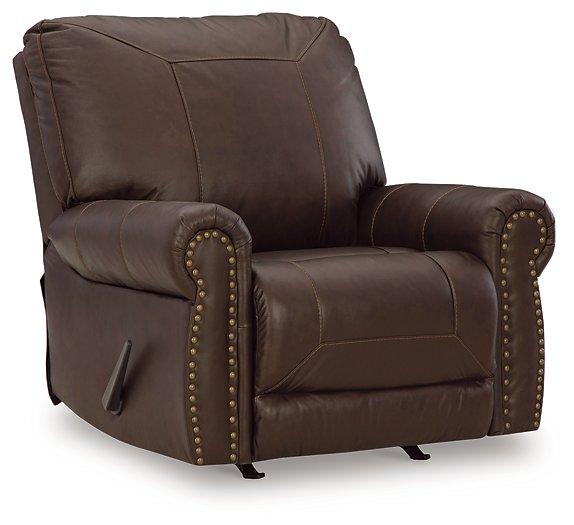
Cushions, Lumbar Support, and Ergonomics: How the Recliner Feels After an Hour
Maximum comfort isn’t about how the recliner feels supportive in the first 30 seconds; it’s about how you feel after a full movie or one to two hours of reading. When choosing a recliner, consider features that improve daily comfort, such as USB charging ports, easy-to-reach control buttons, and solid lumbar support.
High-density foam in the 2.0 to 2.5+ pounds per cubic foot range provides the supportive cushions needed for extended sitting. Lower-density foams (under 1.8 PCF) may feel plush initially but sag 20 to 30 percent within two to three years of regular use. Quality foam maintains 90 percent shape retention even after 100,000 compression cycles.
True lumbar support looks and feels different from mere padding. It manifests as a targeted contour, typically 2 to 4 inches wide, that cradles your lower spine’s natural S-curve without excessive pressure. This ergonomic support reduces strain during prolonged sessions. Generic soft pillows or flat backrests simply compress under body weight without providing genuine spinal alignment.
Test any recliner in the store for at least 10 to 15 minutes. Your lower back should feel cradled without sinking, and cushions should rebound fully within 5 seconds of standing. When you recline fully, your feet should elevate comfortably for circulation benefits.
Basic ergonomic features to verify: feet should rest flat on the floor when sitting upright, knees should meet but not dig into the front edge of the seat depth, and any headrest should support your head without pushing it forward. The perfect balance of firmness and give varies by person, so personalized comfort testing is essential.
Upholstery Choices: Fabric vs Leather for Real Homes
Upholstery is what you see and touch every day, and choosing upholstery materials correctly affects maintenance preferences, temperature comfort, and long-term appearance. The details matter when selecting between fabric, leather, and synthetic options.
Performance fabrics, such as microfiber and olefin blends, resist pilling and snags better than loose weaves, making them ideal for high-use areas. These tight-weave materials with higher double-rub counts (50,000+) handle the demands of homes with kids and pets. Many feature stain-resistant treatments that allow spills to be wiped away in seconds.
Leather upholstery can be categorized into full-grain, top-grain, split/bonded, and faux leather, each with varying durability and lifespan. Full-grain leather, at 1.2 to 1.8mm thickness, breathes naturally and can last over 15 years while developing attractive patina. Top-grain offers similar durability with a more uniform appearance. Faux leather mimics the look at roughly one-third the cost, but often starts cracking after 3 to 5 years, especially under pet claws or direct sunlight.
Choosing the right upholstery material for a recliner is crucial, as it affects maintenance, comfort, and durability. For homes with pets, microfiber or performance fabrics resist scratches better than real leather. Sunny rooms demand UV-stable fabrics to prevent fading and cracking. In cold climates, leather retains warmth effectively.
Easy maintenance extends any upholstery’s life. Regular maintenance of recliners includes vacuuming weekly to remove dirt and debris, which can wear down the upholstery over time. To extend the life of your recliner, it is recommended to blot spills immediately with a clean cloth instead of rubbing, which can damage the fabric. Using pH-neutral cleaners on upholstery helps maintain the fabric’s integrity and appearance, preventing damage from harsh chemicals. Keeping reclining furniture at least 18 inches from direct sunlight significantly reduces fading.

Size, Fit, and Room Layout: Measuring for Everyday Use
A recliner sofa or chair must fit both your body and your room’s traffic paths to truly support daily comfort. Getting measurements right before purchase prevents awkward placements and ensures the entire room remains functional.
Key measurements to check for a recliner include seat height (18-21 inches), seat depth (22-26 inches), and fully reclined length (66-72 inches). Standard recliner sofas extend 80 to 100 inches when all seats recline fully. These dimensions must align with your body proportions; thigh length determines ideal seat depth, while overall height affects headrest positioning.
When measuring for a recliner, ensure to account for wall clearance. Traditional models need 10 to 14 inches behind for arc motion, while wall-hugger designs require only 3 to 4 inches thanks to their inline tracking mechanisms. This distinction dramatically affects whether a reclining couch works in smaller rooms or tight layouts.
To visualize the space a recliner will occupy, use painter’s tape to mark its footprint on the floor, both upright and reclined, to ensure it fits well with other furniture. Mark the upright dimensions first, then add the reclined extension in front. Include 18 to 20 inches of walking space around the piece so traffic can pass when seats are fully reclined. Check that doorways measure at least 32 inches wide for delivery.
Verify body fit by confirming feet plant flat when upright, knees angle comfortably without edge pressure behind the knees, and reclined leg support reaches mid-calf. For multiple users sharing a recliner sofa, have each person test the same seats to ensure the sofa fits everyone’s proportions adequately.

Everyday Features That Actually Improve Comfort (Not Just Gadgets)
Some modern adjustable features genuinely improve everyday comfort, while others remain optional extras. Focus your attention on high-value options that match your actual daily habits.
Adjustable headrests with 4 to 8 inches of travel let different users dial in their own comfortable position on the same recliner sofa. Built-in lumbar support adjustments (2 to 3 position settings) accommodate varying preferences without requiring additional pillows. Studies show properly adjustable headrests reduce neck strain by up to 40 percent during prolonged viewing.
Useful power features include smooth, slow-start reclining that prevents jarring transitions, USB charging ports for phones and tablets, and simple control panels with intuitive buttons. Look for extendable wand controls that remain reachable even when fully reclined; you shouldn’t need to return upright just to adjust your position.
Extra electronics do slightly increase maintenance needs and potential repair points. Tightening bolts and lubricating mechanisms annually can help prevent wear and tear on the reclining mechanism, ensuring smooth operation. Budget-conscious buyers might prioritize adjustable footrests and headrests over complex electronic systems if long-term simplicity matters most.
Match features to habits: choose USB ports if you charge devices during weekend naps, select adjustable headrests if you read with your head elevated, and opt for independently adjustable footrest and back sections if you prefer to recline fully for napping.
In-Store Testing and Online Research: How to Pick a Recliner with Confidence
The best approach to choosing the right recliner combines hands-on in-store testing with careful online research. Neither method alone provides complete confidence in your purchase.
For in-store shopping, cycle each reclining mechanism 15 to 20 times per seat, noting whether motion remains silent and even throughout. Test footrest stability under full extension; quality mechanisms show minimal bounce. Listen for clicking, grinding, or hesitation that indicates subpar components. Have different family members try the same recliner to assess comfort across body types.
Online research fills gaps that showroom visits miss. Read user-submitted reviews posted 6 to 12 months after purchase, specifically looking for mentions of sagging, motor noise, or mechanism failures. User photos reveal actual dimensions and proportions better than professional marketing images. Verify stated weight capacities match your household needs. Check that the listed dimensions match your room measurements within a 2-inch tolerance.
When browsing online store listings, occasional security service prompts are normal attempts by retailers performing security verification to block automated bots, not problems with your order. Security verification successful messages simply indicate that the site confirmed you’re a legitimate shopper. These routine checks protect both buyers and sellers.
Before committing to any purchase, review delivery terms (white-glove versus curbside, typical fees of $100 to $300), return policies (look for 30 to 90 day windows and restocking fee percentages), and warranty coverage. Understanding these terms up front prevents surprises with large items like a recliner sofa.
Budget, Warranty, and Long-Term Value
A good recliner for everyday use is an investment in comfort and should be assessed on value, not just initial price. The ultimate comfort comes from pieces that perform reliably for years, not from the lowest upfront cost.
Budget tiers offer different expectations. Entry-level options ($500 to $1,000 for recliner chairs, $1,500 to $3,000 for sofas) typically feature particle board frames, lower-density foam, and basic warranties of 1 to 3 years. Mid-range pieces ($1,000 to $2,000 for chairs, $3,000 to $5,000 for sofas) upgrade to hardwood or quality plywood frames, 2.0+ PCF foam, and 5 to 7 year frame coverage. Higher-end options deliver premium frame materials, advanced ergonomic features, and 10 to 25-year structural guarantees.
If the budget is limited, prioritize build quality and ergonomic support, frame, mechanism, foam density, and lumbar support over cosmetic extras or trendy colors. Data from recliner manufacturers’ testing shows quality builds retain 85 percent of original comfort after 5 years, versus just 50 percent for budget alternatives.
Typical warranty ranges cover frames for 5 to 10 years, reclining mechanisms for 3 to 5 years, and motors for 2 to 3 years on power models. Read what’s actually covered and note labor exclusions that could limit claim value. Spending 20 to 30 percent more upfront on durable materials and comprehensive warranty coverage often pays off through fewer replacements over a decade of everyday use.
Conclusion: Choose Once, Enjoy Every Day
The path to finding the right recliner starts with an honest lifestyle assessment, manual versus power, based on your physical effort preferences and household dynamics. From there, insist on a sturdy frame and solid frame construction with quality steel mechanisms. Demand real lumbar support through properly designed contours and high-density foam, not just decorative padding.
Choose upholstery that handles your actual life, pets, kids, sunny windows, and measure both your body and room size carefully before committing. The goal is ultimate comfort: a reclining sofa or chair that supports your body, fits your routine, and still feels good years from now. These key factors separate furniture you’ll love from furniture you’ll replace.
Use this guide as a shopping checklist, whether you’re testing in-store or researching an online store selection. Take notes on fit, comfort, and the ergonomic features that matter most to your daily life. Invest thoughtfully in quality now, and you’ll create a relaxing space you genuinely look forward to using at the end of each day.
Get Recliner Furniture at Discount Furniture World Today

Upgrade your comfort with recliner furniture at Discount Furniture World today and create a living space that is perfect for relaxing, watching TV, or unwinding after a long day. Whether you are looking for recliner chairs, reclining sofas, or loveseats, the right furniture can add both comfort and functionality to your home. Recliners are designed with adjustable seating positions and supportive cushioning to help you relax more comfortably every day.
Now is the perfect time to improve your seating setup. Get recliner furniture at Discount Furniture World now and create a space where comfort, style, and relaxation come together for you and your family.