
How to Choose Dining Furniture for Better Seating Capacity
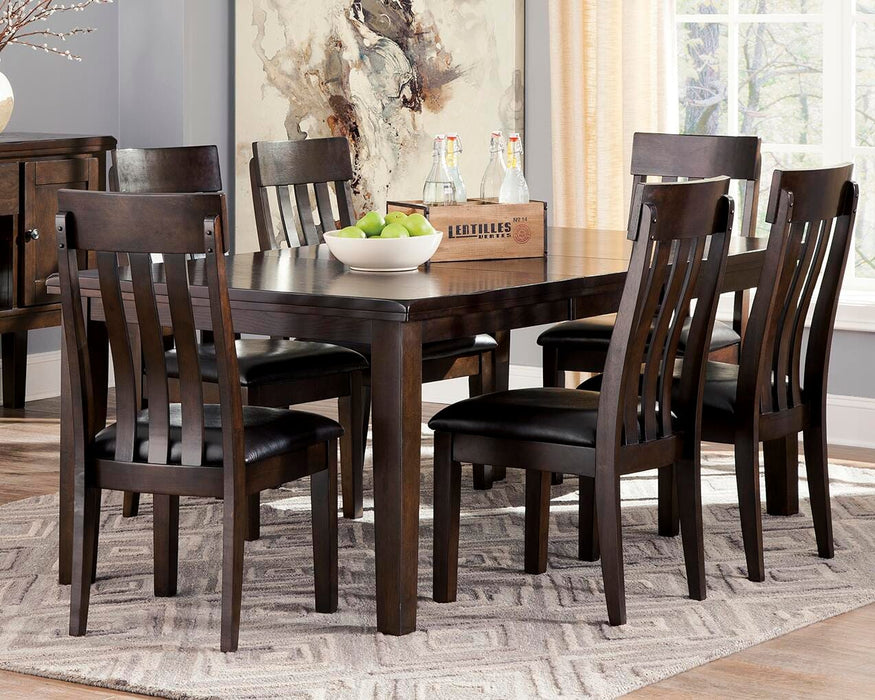
Finding the right dining set sounds simple until you realize that the table you love might crowd your room or leave guests bumping elbows. The good news is that choosing dining furniture for better seating capacity comes down to a few practical measurements and smart shape decisions. This guide walks you through exactly how many people your table can seat, how to measure your dining room, and how to pick furniture that works for everyday life and the occasional dinner party.
Quick Answer: How Many People Can Your Dining Table Seat?
Most adults need around 24–30 inches of table edge each for comfortable dining without feeling cramped. You also need about 36 inches of space around the dining table for movement. This dining table seating guide gives you a reliable starting point before diving into specifics.
Here’s what common table sizes typically seat:
-
60” rectangular table: 4–6 people
-
72” rectangular table: 6–8 people (using end seats)
-
84” rectangular table: 8–10 people
-
42–48” round table: 4 people
-
54–60” round table: 6 people
-
72” round table: 8 people with close seating
Rectangular tables are typically measured by length and width, with a 6-foot table seating six people and an 8-foot table seating eight people comfortably.
These numbers assume standard 18–20 inch wide armless chairs and normal place settings for everyday life, not the holiday squeeze where everyone crowds in. Using benches instead of chairs can increase seating capacity, as they can accommodate more people along the same length of the table, especially in tight spaces. Benches or slim chairs can add 1–2 extra guests along walls or in narrow rooms, though they may reduce long-term comfort for adults.
Measure Your Dining Room for Real Seating Capacity
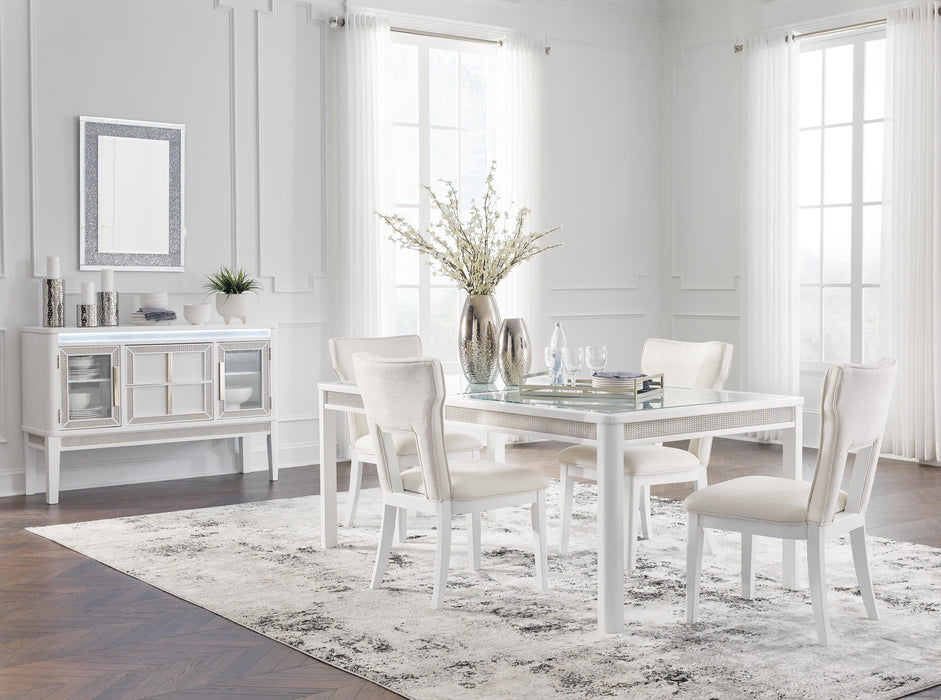
Room size, not just table size, controls how many people you can seat comfortably in your dining space. A beautiful 72-inch table becomes a problem if your room dimensions don’t provide adequate clearance for guests to move around.
Start by measuring your dining area’s length and width, noting alcoves, windows, and connections to kitchens or living rooms in open plan layouts. These architectural features define your usable space.
Clearance recommendations:
|
Zone Type |
Minimum Clearance |
|---|---|
|
Against the wall (no passage) |
32–36 inches |
|
Where people walk behind chairs |
42–48 inches |
|
General circulation |
36 inches minimum |
The National Kitchen & Bath Association recommends about 36 inches between the table edge and the nearest wall when no one has to walk behind diners, and closer to 44 inches where people regularly pass.
A practical rule of thumb: take your room length and width, subtract 2 × 36 inches from each dimension. That gives you your maximum table footprint. For example, a 12-foot × 10-foot room (144” × 120”) minus clearances leaves roughly 72” × 48” for your table.
In a small dining room, pushing one long side of a table or bench against a wall can free up circulation on the other side. To prevent your dining room from feeling cramped, the table should occupy no more than one-third of the room’s floor space.
How Much Space Does Each Person Need at the Dining Table?
Personal space, elbow room, and plate depth matter just as much as how many chairs fit around the table edge. Dining involves reaching, cutting food, and passing dishes, not just sitting.
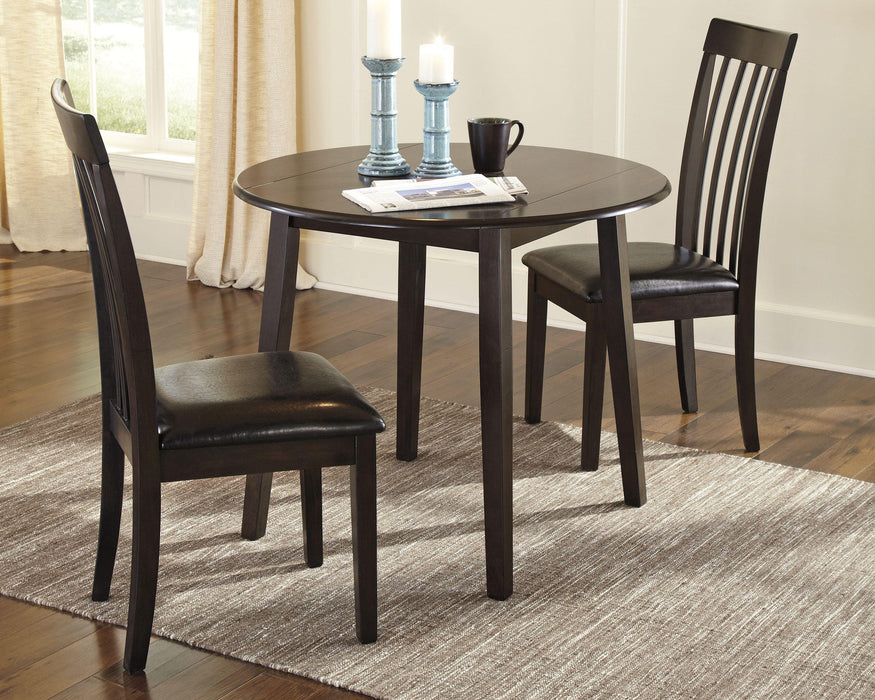
Most designers recommend allowing 24–30 inches of table edge per person to ensure comfortable dining without feeling crowded. Use 24 inches for everyday meals and expand to 28–30 inches for long, leisurely dinners or big gatherings.
Depth and height requirements:
-
Allow 18–24 inches from the table edge for plates and glassware, leaving space for shared serving items or decor in the center
-
Standard dining room table height: 28–30 inches
-
Ideal seat height: 17–19 inches
-
Clearance between seat and tabletop: 10–12 inches for comfortable knee room
Children can sit a little closer (18–20 inches), but adults need at least 20–22 inches minimum, even in extra guest setups. When planning for large families, use adult spacing as your baseline.
Choosing the Best Table Shape for Your Dining Space
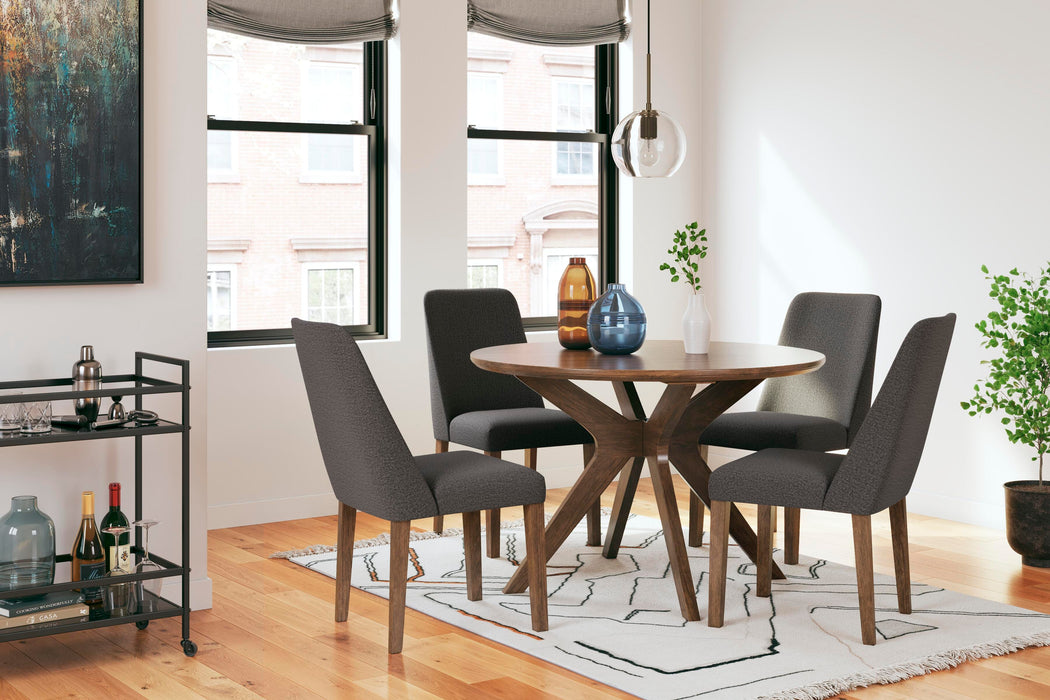
Table shape, rectangular, round, oval, or square, controls how many people fit and how easily they walk around the dining area. Each shape suits different room proportions and creates a distinct dining experience.
Rectangular Tables in Long or Narrow Rooms
Rectangular tables are the most common shape and are best suited for long, narrow rooms, providing maximum surface area and seating capacity. They follow the room’s natural lines and scale predictably.
Length-to-seating examples:
-
60 inches: 4–6 people
-
72 inches: 6–8 people
-
84 inches: 8–10 people (depending on end seat usage)
Table width around 36–40 inches works well in most homes. More than about 44 inches can make passing dishes across harder and moving around sharp corners more difficult. Rectangular tables can make conversation across the table more difficult compared to round options.
Pedestal or trestle bases on rectangular tables often allow more flexible seating than bulky corner legs, especially at the ends. In particularly narrow rooms, choose slimmer tables and compact chairs to keep walkways clear.
Round Tables for Social, Compact Dining Rooms
Round tables encourage intimate conversation as everyone faces the center, making them ideal for smaller, square-shaped rooms. They remove sharp corners and create a more sociable feel.
Size guidelines:
-
42–48 inch diameter: fits 4 people
-
54–60 inch diameter: works for 6 people
-
72-inch diameter: accommodates 8 with close seating
Round tables often use a pedestal base for flexible seating placement, maximizing legroom and fitting extra guests when needed. However, very large round tables (over 72 inches) can make conversation across the table harder and require a very generous dining room.
Round and square tables pair especially well with banquettes or curved benches in corners to boost capacity in open layouts.
Oval Tables to Soften Narrow Rooms
Oval tables combine the friendliness of round tables with the linear capacity of rectangular tables. They suit narrow rooms that still need to host larger groups.
A 72-inch oval table can often seat 6–8 people more comfortably than a same-length rectangular table in tight spaces. Rounded ends ease traffic flow in narrow rooms and open plan layouts, reducing bumping into corners.
Pedestal or double-pedestal bases on oval tables keep legroom open at the ends. Position an oval table lengthwise down narrow dining rooms to maintain clear walking space on one or both sides.
Square Tables for Balanced Rooms and Small Groups
Square tables generally work best for 2–4 people in square rooms or cozy kitchen nooks. They create visual balance in symmetrical spaces.
Once a square table exceeds about 54 inches per side, it becomes hard to reach the center, and corners can feel far apart in conversation. Extendable tables that convert from square to rectangular shapes handle larger gatherings well.
Square tables suit compact dining spaces but can feel undersized or awkward in large, open areas unless paired with a strong rug and centered lighting. Compared to round tables in similar-sized rooms, square tables offer slightly more surface area but less flexibility in chair depth placement.

Extendable Tables, Benches, and Mixed Seating for Extra Guests
Flexible dining furniture, extendable tables, benches, and stackable chairs let a home handle both everyday life and occasional hosting without visual clutter or feeling crowded.
How extendable tables work:
Each 18–24 inches of added length (via removable leaves at the center or ends) usually creates room for two more chairs. A 60-inch table becomes 72 or 84 inches with one or two leaves inserted.
Benches vs. chairs:
|
Feature |
Benches |
Chairs |
|---|---|---|
|
Seating capacity |
Higher (no armrests) |
Standard |
|
Back support |
Minimal |
Full |
|
Best for |
Kids, walls, tight spaces |
Adults, longer meals |
|
Flexibility |
Fixed position |
Individual placement |
Flexible seating options, such as movable chairs or lightweight benches, can help maintain an open feel during everyday use while still accommodating guests when needed.
Consider mixing seating types around one dining set: benches on one side for kids, slim side chairs on the long edges, and more generous armchairs at the ends for adults who prefer back support.
Storage solutions:
-
Folding or stackable chairs in a nearby closet
-
Stools that tuck under a console table
-
Pull them out when hosting extra guests for a dinner party
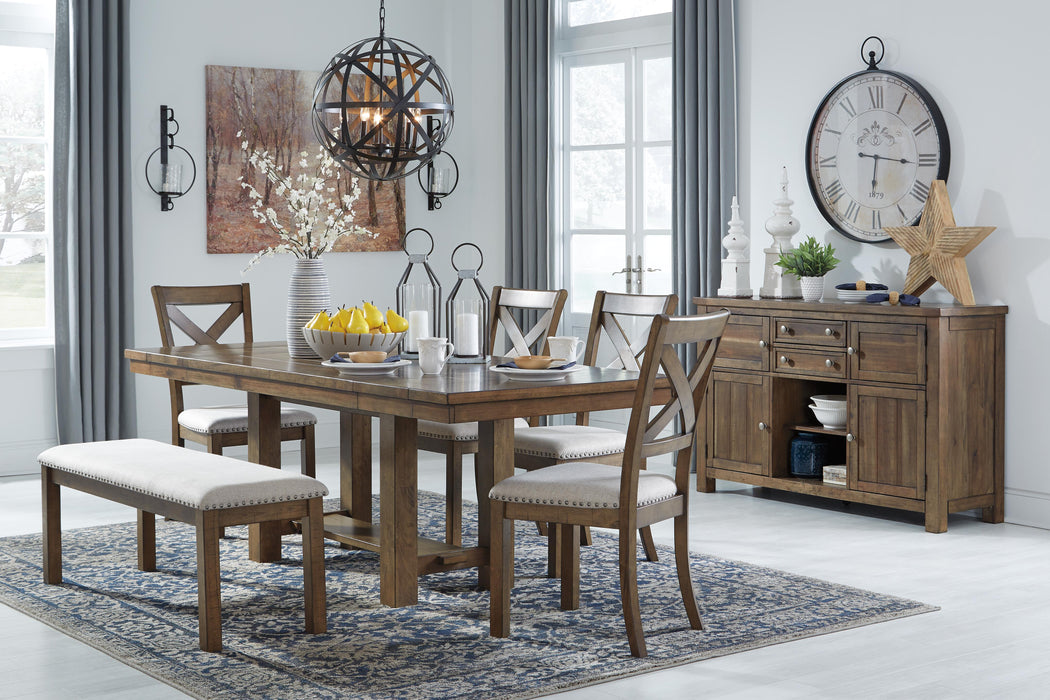
Planning Layout, Flow, and Multi-Use Dining Areas
Traffic flow, doorways, and multi-use needs (work, homework, crafts) should guide furniture choice as much as raw seating capacity. A perfectly sized table in the wrong position still creates problems.
Three key zones around the table:
-
Sitting zone: Chairs pushed in, guests seated
-
Sliding zone: 12–18 inches for chairs pulled out
-
Walking zone: Clear paths with enough room to walk between areas
In open plan layouts, watch for edges that encroach on living room walkways, conflicts with kitchen islands, and tight spots near doors or stairs. The setup should allow people to walk from the kitchen to the sofa without squeezing past diners.
Layout tips:
-
Rotate a rectangular table diagonally in a square dining room to create visual interest
-
Push one short end closer to a wall if space is tight
-
Center the table on a rug to clarify the dining zone visually
Real-life scenario: In a 10-foot × 11-foot city apartment dining area that opens into the living room, a 54–60-inch round table often works better than a 72-inch rectangular one. The round shape provides enough room for daily use (4–6 people) while maintaining clear routes between the kitchen, sofa, and balcony. For the occasional 8-person gathering, adding 2–3 folding chairs creates temporary capacity without permanently sacrificing circulation.
Step-by-Step: How to Choose the Right Dining Furniture Size
Follow this practical approach as a checklist:
-
Measure usable room size: Length and width minus architectural obstructions
-
Map clearances: Use masking tape on the floor to mark 36-inch perimeters. This reveals your maximum table footprint
-
Decide on everyday seating: Everyday seating should reflect how many people regularly use the dining table, rather than the maximum number you might host occasionally
-
Choose table shape: Match room proportions, rectangular for narrow rooms, round for square rooms
-
Confirm heights: 28–30 inch table with 17–19 inch seat height
-
Plan flexible seating: Extendable leaves, benches, or stored folding chairs for extra guests
Example walkthrough: A family of four in a 10-foot × 11-foot dining room is choosing between a 60-inch rectangular table and a 54-inch round one. After mapping clearances, both fit. The rectangular table offers more surface area for homework and projects. The round table feels more sociable and provides easier circulation. Choosing a dining table that is sized for daily meals can create a more comfortable living space, as it allows for better circulation and movement. They choose the 54-inch round for everyday comfort, keeping folding chairs in a closet for holiday gatherings.
Prioritize everyday comfort over rare big events. A right dining set handles most people on most days, with flexible seating for when you need more chairs.
Thoughtful measurements, shape choices, and flexible seating create the perfect fit for any dining room. Start this weekend by mapping your clearances with tape, deciding your everyday headcount, and matching the table shape to your room’s proportions. The rest, from finding the style you love to selecting solid wood or other materials, becomes much easier once you know exactly what fits.
Get Dining Room Furniture at Furniture World Today
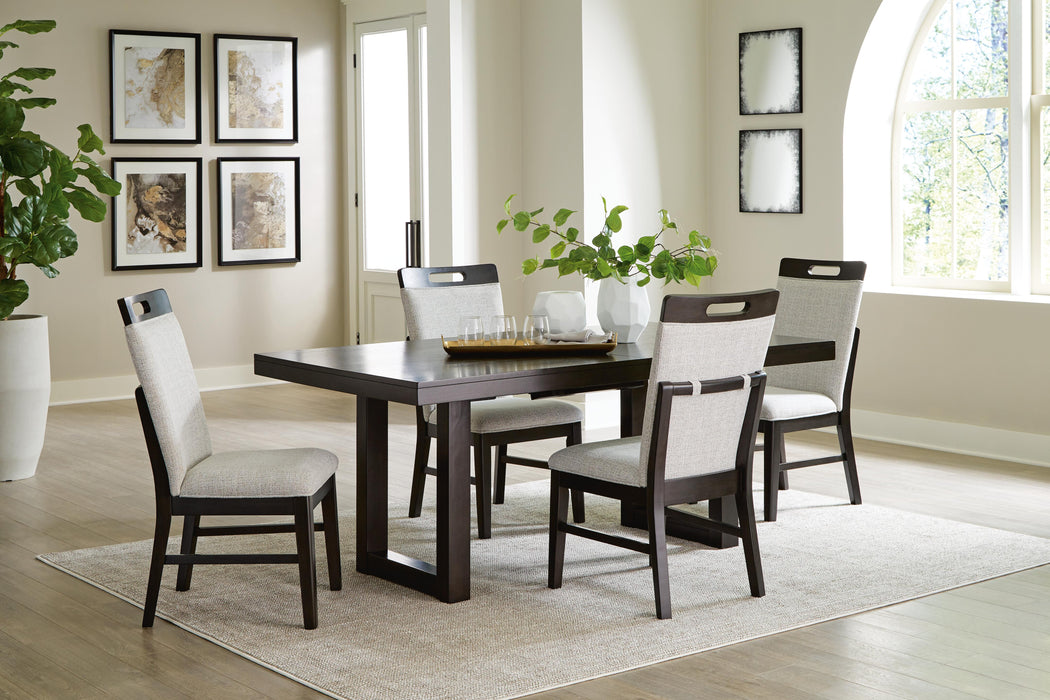
Upgrade your home with dining room furniture at Furniture World today and create a space that is both stylish and functional for everyday living. From dining tables and chairs to complete sets and storage pieces, you will find options designed to make meals, gatherings, and special occasions more comfortable and enjoyable. Furniture World offers a wide selection of designs that fit different home styles, room sizes, and family needs, helping you build a dining area that feels complete and inviting.
Now is the perfect time to refresh your dining space. Get dining room furniture at Furniture World now and create a welcoming area where every meal feels more comfortable, organized, and enjoyable for you and your family.