
What Bedroom Furniture Helps Keep Rooms Organized?
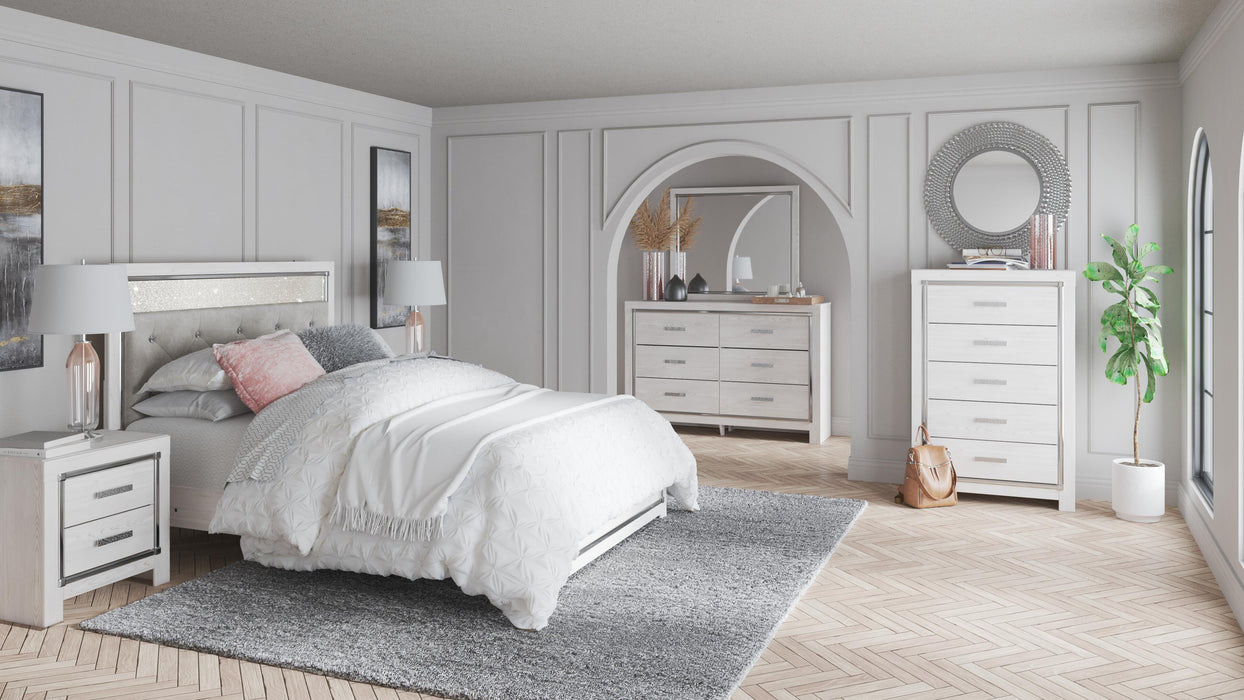
A cluttered bedroom makes it hard to relax. Piles of clothes on chairs, chargers tangled on nightstands, and seasonal items spilling from closets can turn what should be a restful retreat into a source of daily stress. The good news? Choosing the right bedroom furniture can make a huge difference, transforming chaos into calm without renovating or adding square footage.
In this guide, you’ll learn which furniture pieces deliver the most bedroom storage, how to assess your needs before shopping, and how to make every piece of furniture work harder, even in tight spaces.
Key Takeaways: Best Furniture for an Organized Bedroom
The fastest way to keep your bedroom organized is to choose furniture that does double duty. Instead of filling rooms with single-purpose pieces, focus on items that combine style with serious storage capacity.
Here are the core furniture pieces that make the biggest difference:
-
Storage beds – Turn the largest surface in the room into hidden storage for duvets, suitcases, and out-of-season clothing
-
Tall wardrobes – Maximize vertical space from floor to ceiling for hanging clothes, folded items, and accessories
-
Dressers and chests – Handle folded garments, underwear, and bulky items that don’t belong on hangers
-
Nightstands with drawers – Control bedside clutter with concealed compartments for chargers, books, and personal items
-
Storage benches and ottomans – Provide seating plus hidden compartments for blankets, pillows, or workout gear
-
Wall-mounted shelving – Use wall space above furniture to display items without sacrificing floor space
Space-saving solutions, such as multifunctional and wall-mounted furniture, play a crucial role in keeping bedrooms organized and clutter-free by maximizing available space and reducing unnecessary items.
In 2026, even larger homes benefit from storage-first furniture. Post-2020 trends, including expanded wardrobes from remote work and e-commerce, mean the average adult now owns 150 to 200 garments. Industry data shows that 68% of new bedroom furniture collections now include lift mechanisms or modular storage systems as standard features.
The strategy is simple: combine three or four of these furniture types, and you can create a clutter-free environment without expanding the entire room. A storage bed paired with a tall wardrobe, functional nightstands, and a storage bench can reduce visible floor clutter by 40-50% in a typical 12-15 square meter bedroom.
Assess Your Bedroom Storage Needs Before Buying Furniture
Before spending money on new storage furniture, you need to understand exactly what you’re storing and how much space you have to work with. Skipping this step leads to furniture that’s too big, too small, or simply wrong for your needs.
Start by inventorying your belongings:
-
Clothing – Most adults own 150-200 items, including shoes, accessories, and outerwear
-
Bedding – Typically 20-30 sets, including sheets, pillows, blankets, and duvets
-
Tech and gadgets – Chargers, tablets, headphones, and cables
-
Hobby items – Books, workout equipment, craft supplies
Next, sort everything into three categories:
|
Category |
Percentage of Items |
Where to Store |
|---|---|---|
|
Daily use |
10-20% |
Arm’s reach: drawers, open shelves at 70-90 cm height |
|
Weekly use |
~30% |
Mid-level shelves, accessible closet space |
|
Seasonal use |
50-60% |
High shelves, under-bed storage, and wardrobe tops |
Take measurements of the room’s exact dimensions, length, width, and ceiling height. Note any obstructions like 60-80 cm door swings, alcoves (often 50-70 cm deep), or sloping ceilings that reduce usable height.
Count your hanging garments versus foldable items. A general rule: allocate 60% of wardrobe space to hanging space and 40% to shelving. If you work from the bedroom or share it with children, plan for 20-30% more closed storage to keep visual clutter hidden.
Finally, take photos of the room from all angles before shopping. These help you plan furniture placement and avoid bringing home pieces that block walkways or crowd the space.
Storage Beds and Under-Bed Solutions: Using the Biggest Surface to Your Advantage
The bed occupies 40-60% of your bedroom’s floor space. Turning that footprint into functional space is one of the smartest bedroom storage ideas available.
If you don’t have a storage bed, you can still use the space under a standard frame. Rolling under-bed trays and vacuum-sealed bags are great for storing linens, out-of-season clothing, or bulky items. Storage bins, especially shallow lidded bins, are also highly effective for tucking away less frequently used items under the bed. This keeps clutter out of sight while maintaining easy access and helps keep your room organized.
Lift-Up Platform Beds
A storage bed with a lift-up platform transforms the space beneath the mattress into a single large compartment. Gas-lift pistons, typically supporting 200-300 kg, raise the mattress to reveal 0.8 to 1.5 cubic meters of hidden storage. This is ideal for:
-
Suitcases and travel bags (up to 80x50x30 cm)
-
Spare duvets and pillows
-
Seasonal clothing in vacuum-sealed bags
-
Holiday decorations
Beds with Built-in Drawers
Bed frames with built-in drawers offer another approach. Most designs include four to six storage drawers along the sides, each 120-150 cm wide and 50-60 cm deep. These work well for:
-
Linens and spare sheets
-
Out-of-season clothing
-
Extra blankets
Keep in mind that under-bed drawers need 60-70 cm of clearance on at least one side to open fully. Measure your room before committing to this style.
Standard Frame Solutions
Already own a regular bed? You can still capture that wasted space. Rolling under-bed trays, lidded fabric bins, or vacuum-sealed bags fit under frames with 20-30 cm clearance and provide 4-8 cubic feet of extra storage.
Whatever under-bed storage solutions you choose, group and label items to prevent the space from becoming a dumping ground. Designate one bin for winter clothes, another for spare pillows, and so on.
Safety note: Choose hydraulic lift mechanisms over springs; they have a failure rate under 1% compared to 5% for cheaper spring systems. For any elevated bed storage, look for anti-tip kits and smooth drawer runners rated for 50,000+ cycles.

Wardrobes and Closet Systems: Maximizing Vertical Hanging Space
Clothes draped over chairs and piled on floors instantly make a bedroom feel messy. A properly configured wardrobe or custom closet system solves this by creating dedicated homes for every garment.
Freestanding vs. Fitted Systems
Freestanding wardrobes (180-240 cm tall, 60-80 cm deep) offer flexibility. You can move them when rearranging the room or take them to a new home. They work well in rentals or rooms with irregular layouts.
Fitted systems run floor-to-ceiling and wall-to-wall, capturing 30-50% more storage capacity than freestanding furniture. They’re ideal for permanent installations where you want to maximize every centimeter of closet space.
Maximize Vertical Space
Tall storage units that nearly touch the ceiling put the top 30-50 cm to work. Use those high shelves for seasonal boxes, luggage, or items you access only a few times per year. In rooms with 2.4-2.5 meter ceilings, a 240 cm wardrobe uses 90% of available height.
Interior Fittings That Matter
The inside of your wardrobe determines how much it actually holds:
-
Double hanging rails – Install two 100 cm rails vertically for shirts and folded trousers, accommodating 80-100 garments
-
Pull-out trouser racks – Extend 50 cm to organize 20+ pairs without folding
-
Adjustable shelves – 30-40 cm deep for sweaters, jeans, and bags
-
Shoe racks – Keep footwear visible and accessible near the bottom
-
Valet rods – Pull-out bars for planning tomorrow’s outfit
Swap bulky plastic hangers for slim velvet versions to save 40% of rail space. Add shelf dividers to keep stacked items from toppling.
Mirrored closet door panels serve two purposes: they eliminate the need for a separate mirror and make small bedrooms appear 20-30% larger by reflecting light.
Always leave at least 60 cm of walkway in front of wardrobe doors. Cramped access makes daily use frustrating and discourages putting things away properly.
Dressers and Chests of Drawers: The Workhorses of Folded Storage
Dressers and chests handle everything that doesn’t hang: underwear, socks, t-shirts, pajamas, and bulky sweaters. Without them, these items end up in piles that make the entire room feel chaotic.
Low and Wide vs. Tall and Narrow
Low wide dressers (120-160 cm wide, 40-50 cm deep) provide substantial surface area on top, useful for table lamps, a jewelry tray, or a small mirror. They fit well below windows without blocking light.
Tall narrow chests (80-100 cm wide, 120-150 cm tall) stack four to six deep drawers in a small footprint. These suit small spaces where precious floor space is limited, but vertical room remains available.
Interior Organization
Drawers without organization become junk zones within weeks. Prevent this with:
-
Adjustable dividers – Create 5-10 cm slots for socks, underwear, and accessories
-
Shallow top drawers (10-15 cm deep) – Reserve for small items like jewelry, watches, and belts
-
Deep drawers (25-30 cm) at the bottom – Store bulky sweaters, jeans, and extra linens
Each unit typically holds 50-75 liters, making dressers essential storage units for folded items.
Surface Control
Dresser tops attract clutter fast. Keep only what you need daily and contain it in a single tray or small box (around 20x20 cm). Everything else belongs in drawers.
Mounting a mirror above a low dresser creates a functional dressing station without adding another piece of furniture. This clever storage solution combines storage, styling, and checking your outfit in one spot.

Nightstands and Bedside Tables: Small Pieces with Big Impact
Clutter beside the bed, chargers, books, glasses, remotes, lip balm, can make even a well-organized bedroom look messy. Your bedside table design directly affects how the entire room feels.
Features to Look For
The best nightstands combine:
-
At least one drawer – Hides cables, chargers, medications, and personal items
-
An open shelf – Keeps books, water, or a current read accessible
-
USB ports or cable management – Reduces cord tangles by up to 70%
Sizing and Placement
Ideal nightstand height matches the top of your mattress, typically 60-70 cm. This creates a tidy visual line and makes reaching items easy.
In very small bedrooms, wall-mounted or floating bedside tables free valuable floor space and make vacuuming simpler. These typically extend only 30 cm from the wall while still providing storage drawers and a surface for table lamps or an alarm clock.
Containing Daily Clutter
Place a small tray or dish (15 cm diameter) on each nightstand to contain loose items like rings, earbuds, or reading glasses. This single habit keeps surfaces looking intentional rather than scattered.
In shared bedrooms, matching or coordinating nightstands on both sides of the bed create visual balance. When both partners have equal storage, items are more likely to stay put.
Benches, Ottomans, and End-of-Bed Seating: Hidden Storage Plus Extra Function
The foot of the bed is often overlooked, but an end-of-bed bench or ottoman bed adds both seating and substantial hidden compartments, a perfect example of multifunctional furniture.
Storage Bench Options
Hinged-top storage benches (120-160 cm long, 40-50 cm high) lift to reveal 100-200 liters of interior space. Gas struts supporting 100 kg make opening smooth, even when loaded. Use this space for:
-
Extra blankets and throws
-
Spare pillows for guests
-
Workout gear or yoga mats
-
Out-of-season clothing
Smaller ottomans tuck into corners or under windows, providing additional hidden storage without dominating the room.
Placement Considerations
Always measure to leave at least 60 cm of walking space between the bench and other furniture. A cramped layout makes the room feel smaller and discourages use.
Style and Function
A neutral-colored storage bench visually extends the bed, creating a longer, more unified look. A bold color or textured fabric turns it into a focal point, adding interest without adding clutter.
Beyond the foot of the bed, slim benches work beside wardrobes or below windows, serving as a place to sit while putting on shoes or laying out clothes.
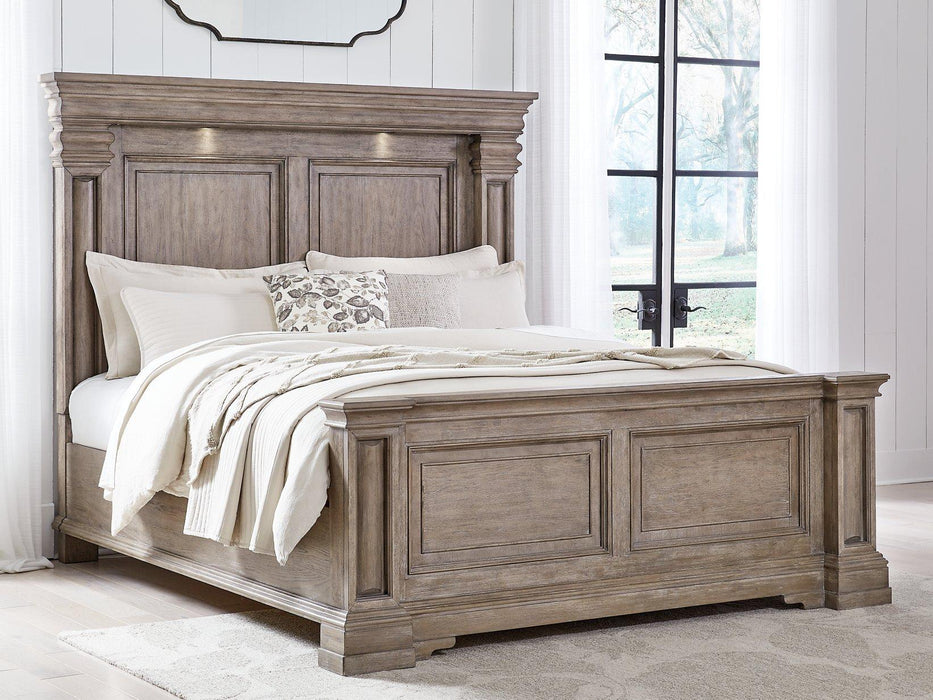
Headboards, Shelving, and Wall-Mounted Storage
Walls are often the most underused surface in bedrooms. The area above and around the bed offers significant storage potential without consuming any floor space.
Headboards with Built-In Storage
Headboards featuring built-in shelves or cubbies (20-30 cm deep) hold books, glasses, alarm clocks, and small plants. These keep nightstand surfaces clearer and bring essentials within arm’s reach.
Floating Shelves
Floating shelves (60-80 cm wide, 20 cm deep) installed above dressers or beside wardrobes provide display space for décor, small plants, and fabric bins holding accessories. They utilize wall space that would otherwise sit empty.
Wall Hooks and Peg Rails
Wall hooks, peg rails, and simple racks handle robes, bags, hats, and scarves, freeing closet and chair space. Each hook typically supports 5-10 kg, plenty for daily items.
Safety First
Proper installation matters, especially above the bed. Use toggle bolts with 75 kg shear strength for wall-mounted shelving units. Never hang heavy items on drywall anchors alone.
Keep It Calm
Built-in shelving and wall storage should enhance the room's feeling of calm, not overwhelm it. Limit colors, repeat materials, and avoid overcrowding shelves. A few well-chosen items look intentional; too many create visual noise.
Built-in Storage: Seamless Solutions for a Clutter-Free Bedroom
Built-in storage is one of the most effective ways to achieve a clutter-free bedroom while maintaining a sleek, cohesive look. By integrating storage directly into the architecture of your space, whether through custom cabinetry, alcove units, window seats, or integrated wardrobes, you can dramatically increase your room’s storage capacity without sacrificing style or precious floor space. Built-in storage solutions are designed to blend seamlessly with your bedroom’s layout, making organization effortless and keeping your space feeling open and calm.
Custom Cabinetry and Alcove Units
Custom cabinetry and alcove units are tailored to your room’s exact dimensions, ensuring that every inch of vertical space is put to good use. These built-in storage solutions can be designed with a mix of pull-out drawers, adjustable shelves, and hanging rods, so you can organize everything from clothing and shoes to accessories and keepsakes. By extending storage from floor to ceiling and fitting perfectly into awkward corners or alcoves, custom cabinetry keeps floors clear and maximizes storage capacity. The result is a bedroom that feels more spacious, organized, and serene, no matter how much you need to store.
Window Seats with Storage
Window seats with storage are a clever way to reclaim wasted space beneath windows and transform it into something both beautiful and practical. These built-in benches often feature deep drawers or hidden shelves, providing the perfect spot to tuck away out-of-season clothing, extra linens, or accessories you don’t need every day. Not only do window seats add extra storage without taking up additional floor space, but they also create a cozy nook for reading or relaxing. It’s a smart, space-saving solution that brings both comfort and organization to your bedroom.
Integrated Wardrobes and Niche Shelving
Integrated wardrobes and niche shelving are custom-designed to fit your bedroom’s unique layout, making the most of every available centimeter. With options like double-hang rods, adjustable shelves, and built-in drawers, these solutions offer ample storage for clothing, shoes, and accessories, all while keeping everything neatly organized and easy to access. Niche shelving can also be used to display decorative items or personal treasures, adding a touch of personality and warmth to your space. By building storage directly into the walls, you free up valuable floor space and keep your bedroom feeling open and uncluttered.
Pros and Cons of Built-in vs. Freestanding
When deciding between built-in and freestanding storage, it’s important to weigh the benefits and drawbacks of each. Built-in storage offers a seamless, custom look that maximizes vertical space and can be tailored to your room’s exact dimensions, making it ideal for maximizing storage capacity in bedrooms of any size. However, built-in solutions typically require a higher upfront investment and professional installation. Freestanding storage, on the other hand, is often more budget-friendly and flexible; you can rearrange or replace pieces as your needs change. The trade-off is that freestanding units may take up more valuable floor space and might not fit as perfectly into your room’s layout. Ultimately, the best choice depends on your storage needs, budget, and whether you value a fully integrated look or the flexibility to change things up in the future. By considering these factors, you can choose the bedroom storage solution that keeps your space organized and clutter-free for years to come.
Multi-Purpose and Convertible Furniture: Making One Piece Do More
When space is limited, every piece of furniture should do double duty. Multi-purpose designs are especially helpful in studio apartments, a guest room, or bedrooms shared with home offices.
Daybeds with Storage
Daybeds with sliding drawers or shelves below serve as both seating and sleeping space while hiding bedding and clothing. In a guest room, this lets the space function as a sitting area when not hosting visitors.
Loft Beds
Loft beds (1.5-2 meters high) work well for older children and teens. The elevated sleeping surface frees the area below for desks, dressers, or seating, saving 30-50% of floor space compared to traditional beds plus separate furniture.
Fold-Down Desks
Wall-mounted desks (approximately 60x40 cm) fold flat when not in use, reducing visual clutter in bedrooms that double as workspaces. This space-saving solution keeps the room feeling like a bedroom rather than an office.
Single Biggest Upgrade
Replacing a simple bed frame with a storage bed or daybed is often the single most impactful upgrade for organization without adding more pieces.
Choose cohesive finishes and colors across freestanding furniture so the room looks unified. Mismatched styles create a patchwork effect that fights the goal of a cozy bedroom.
Small Bedroom Strategies: Fitting Storage Furniture into Tight Spaces
Small bedrooms require extra planning, but they absolutely can stay organized and feel open. The key is prioritizing smart furniture over more furniture.
Priority Pieces for Small Spaces
In a small bedroom, start with these three:
-
A tall wardrobe – Captures closet space vertically rather than spreading out
-
A storage bed – Turns bed storage into hidden compartments for seasonal items
-
Two compact nightstands – Wall-mounted versions preserve more space
Consider additional pieces only after these fundamentals are covered.
Capture Corners
Corner wardrobes (typically 90 cm wide) or tall shelving units fit into otherwise wasted space. These small bedroom storage ideas turn awkward angles into functional storage.
Bed Placement
Position the bed against the longest uninterrupted wall. Avoid pushing large, bulky furniture into narrow walkways; you need at least 60 cm paths to move comfortably.
Visual Tricks
Light-colored finishes and minimal hardware on large storage pieces help them visually recede. Mirrors on wardrobe doors or above dressers reflect light and make a storage-heavy room feel bigger, expanding perceived size by 20-30%.
Swap floor lamps for wall-mounted lights to free precious floor space. Every centimeter matters in tight spaces.

Organizing the Inside: Getting the Most from Each Furniture Piece
Furniture only keeps a bedroom tidy if the inside stays organized. Without interior systems, drawers become chaos, and closets overflow within months.
Divide by Use Frequency
Position items based on how often you need them:
|
Frequency |
Placement |
Examples |
|---|---|---|
|
Daily |
Mid-height (eye level, 140-160 cm) |
Current-season clothes, underwear, frequently worn shoes |
|
Weekly |
Above or below mid-height |
Workout clothes, dress shirts, backup toiletries |
|
Seasonal |
Highest shelves, under the bed |
Holiday decorations, winter coats, store bulky items |
Interior Tools
Stock up on:
-
Drawer dividers – Keep categories separated in dressers
-
Fabric bins and baskets – Corral items on shelves and inside benches
-
Labeled boxes – Identify contents at a glance inside wardrobes and storage underneath beds
-
Shelf dividers – Prevent stacked sweaters from toppling
Seasonal Resets
Schedule a rotation every spring and autumn. Move seasonal clothing to under-bed storage or high shelves. Donate 10-20% of items you haven’t worn in a year. This maintains storage space and prevents the slow accumulation that leads to clutter.
Leave Breathing Room
Aim to keep 10-20% of each drawer and shelf empty. This buffer absorbs new purchases and prevents the frustrating feeling of cramming things in. When storage capacity runs out, it’s time to purge, not buy more shelving units.
Common Mistakes When Choosing Bedroom Storage Furniture
Avoiding a few typical errors saves money and keeps the room feeling spacious. Here’s what to watch out for:
Buying Oversized Pieces
Deep dressers or wide wardrobes that block windows, doors, or walking paths make rooms feel cramped. Measure twice, buy once. Always verify that drawers and doors can open fully without hitting walls or other furniture.
Too Many Small Pieces
Multiple tiny chests, random baskets, and scattered shelves create more visual clutter than a few well-planned larger items. They also increase dust surfaces by 2x or more. Consolidate into fewer, smarter storage units.
Ignoring Clearances
Choosing furniture without considering door swing, drawer clearance, or under-bed access leads to daily frustration. Pull-out drawers need a minimum of 50 cm; standard doors need 60-80 cm to swing open.
Mismatched Styles
Mixing too many different finishes, colors, or hardware styles across major storage furniture fragments the visual flow. Stick to one or two coordinating finishes for a unified look.
Skimping on Hardware
Cheap drawer glides fail after approximately 5,000 cycles, a few years of regular use. Quality soft-close ball-bearing glides rated for 50,000+ cycles cost slightly more but last decades. Check hinges, sliders, and lift mechanisms before purchasing. Heavy pieces (dressers can weigh 50-80 kg) need to sit on level floors to operate correctly.
Conclusion: Building a Calm, Organized Bedroom with the Right Furniture
The answer to what bedroom furniture helps keep rooms organized comes down to a handful of clever storage solutions: storage beds that capture the space beneath where you sleep, tall wardrobes that maximize vertical space, well-planned dressers with drawer organizers, functional nightstands that control bedside chaos, and multi-purpose pieces like benches that do more than sit there.
Using vertical space, choosing furniture with hidden compartments, and keeping surfaces clear make any bedroom feel larger and more restful. You don’t need a massive room; you need furniture that earns its place.
Start by assessing what you own, measuring your room’s exact dimensions, and investing in fewer but smarter pieces rather than filling the space with extras. A container store full of bins won’t help if your furniture doesn’t support organization from the start.
An organized, cozy bedroom is achievable in any size space when furniture is chosen with storage and calm in mind. Pick your biggest pain point, maybe it’s seasonal clothing with nowhere to go, or maybe it’s a nightstand covered in cables, and solve it with one smart piece of furniture. Build from there, and you’ll have a functional space that actually helps you rest.
Shop Bedroom Furniture at Furniture World Today

Upgrade your space with bedroom furniture at Furniture World today and create a room designed for comfort, organization, and everyday relaxation. Whether you’re looking for beds, dressers, wardrobes, or complete bedroom sets, the right furniture helps turn your bedroom into a peaceful and functional retreat. Furniture World offers a wide range of styles, from classic wood finishes to modern designs, so you can easily match your space and personal style.
Now is the perfect time to refresh your bedroom and improve how your space looks and feels. Shop bedroom furniture at Furniture World now and build a setup that helps you relax, stay organized, and enjoy a more comfortable home every day.